Cybersecurity
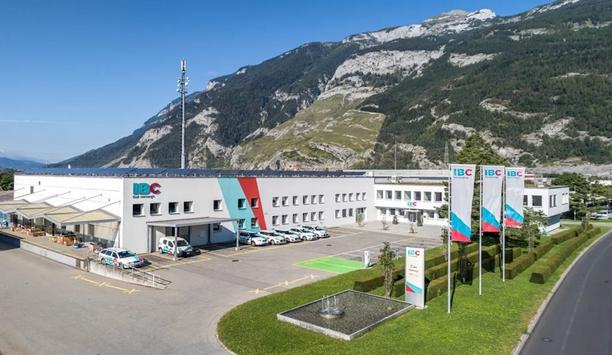
Siemens innovative electrification hardware and software will bring a new level of transparency to the low-voltage grid of Swiss power utility IBC Energie Wasser Chur (IBC). Around 40,000 residents in the greater Chur area will benefit from a secure, advanced supply of electricity. The energy transition poses new challenges for grid operators, including distributed energy feeds, increasing loads, and high demands on volta...

Allient Inc., a global designer and manufacturer of specialty Motion, Controls, and Power products and solutions for targeted industries and applications, has announced it will present its latest industrial I/O and power solutions at the Rockwell Automation Fair 2025, taking place November 18–20 at the McCormick Place Convention Center in Chicago, Illinois, USA. Visitors can explore Allient’s technologies at Allient Bellevue (Spectrum Controls) – Booth #723 and&...

Siemens has announced the launch of the SICHARGE FLEX product family, its next-generation electric vehicle (EV) distributed charging system, designed to be flexible, reliable, and economical – adaptable for a variety of use cases. Designed with modularity, scalability, and versatile adaptability, SICHARGE FLEX underscores Siemens’ unwavering commitment to leading the charge in smart infrastructure and the global transition to electric mobility. SICHARGE FLEX As the demand for robu...

LifeSafety Power is launching the next generation of LifeSafety Power NetLink network communications technology for its FlexPower Unified Power Solutions, introducing the NetLink Connect (NLC) and NetLink Expansion (NXB) modules. Together, NLC and NXB increase security and scalability while simplifying installations for managed power systems. NetLink Connect modules NetLink Connect modules use a secure Open Supervised Device Protocol (OSDP) connection to communicate with and control po...

Emerson has announced the new PACSystems RX3i CPS400 Safety Controller, designed to enable Safety Integrity Level 2 (SIL2) strategies for infrastructure, fire and gas, burner management systems, and other emergency shutdown systems. The PACSystems Safety Controller is a compact, high-performance solution with robust security measures and a scalable architecture with 2,000 available I/O points, ideal for complex projects with evolving requirements. As project automation becomes more sophistic...

Comnet, a major manufacturer of mission-critical industrial networking solutions, announced the release of an ultra-resilient, high-power PoE switch. As the first in Comnet’s new line of IEEE802.3bt-compliant Ethernet switches, the CNGE10FX2TX8MSBT switch delivers a powerful combination of performance, flexibility, and durability — ideal for powering next-generation devices in extreme environments. High-performance applications The switch’s flexible power architecture allow...
News

With a projected annual growth rate of 13.28%, the South African IoT market is set to reach a staggering US$11.32 billion by 2028. This rise is largely credited to the commercial, mining, agriculture, and manufacturing sectors, which are already harnessing intelligent water and energy management solutions. Dr Andrew Dickson, Engineering Executive at CBI-electric: low voltage, says that while IoT is a catalyst for the country's development across various sectors, more needs to be done to propel South Africa into the digital future. Digital realm by embedding sensors “IoT, short for the Internet of Things, represents a profound technological shift that links physical objects and devices to the internet, enabling them to collect, exchange, and share real-time data,” he explains. “At its core, it fuses the tangible world with the digital realm by embedding sensors, software, and network connectivity into everyday items, ranging from household appliances to industrial machinery and even wearable devices. These smart ‘things’ create a continuous stream of data, which can be remotely monitored, analysed, and controlled to elevate efficiency, automation, and decision-making across diverse domains.” Data-gathering capabilities “This technology’s data-gathering capabilities pave the way for innovation,” he points out. “By collecting and analyzing data, we can optimise resource utilization and identify and address problems across a myriad of sectors." "This holistic view enables smarter decision-making and more efficient resource allocation, benefiting areas like energy management, water conservation and resource management and optimization.” IoT development and expertise hub Dickson adds that while South Africa's IoT journey not only addresses immediate challenges Dr. Dickson adds that while South Africa's IoT journey not only addresses immediate challenges, it could position the nation as an IoT development and expertise hub, not only within Africa but on the global stage. “Successful IoT use cases established in South Africa can be replicated across other countries, given the right infrastructure and design. This has the potential to advance South Africa as a significant contributor to the global IoT landscape.” Path to IoT expansion However, he notes that the country is currently faced with hurdles on its path to IoT expansion, which need to be mitigated. These include: Load shedding and energy availability: One of the most glaring issues facing South Africa is the perennial problem of energy availability, epitomised by load shedding. However, it's essential to recognise that the real challenge lies not just in load shedding itself but in the constant vulnerability of energy supply, hindering the widespread adoption of IoT solutions. Network infrastructure: Recent disruptions in network infrastructure, such as fibre optic outages, have raised concerns about the reliability of connectivity and its potential to prevent the seamless adoption of smart technologies. Economic stability: The broader economic landscape in South Africa presents formidable hurdles due to limitations in disposable income. The soaring costs of energy, exemplified by an 18% tariff increase and potential further hikes, necessitate a more strategic approach to energy consumption management. Hesitation among prospective users: The unfamiliarity of new technology often breeds reluctance among potential users, especially those in the older demographic. In the early stages of IoT adoption, recommendations from trusted sources play a pivotal role in dispelling uncertainties. Regulatory framework and policy implications: South Africa currently lacks comprehensive regulatory frameworks tailored specifically to IoT with existing regulations tending to focus on discrete areas like cybersecurity. This gap poses concerns about data privacy and security, acting as a deterrent to IoT adoption. Therefore, South Africa needs to establish a more comprehensive and holistic governance framework addressing IoT-related security and data protection. Role of collaborative partnerships To address these challenges, Dr. Dickson highlights the crucial role of collaborative partnerships. “The collaboration between government entities, industry stakeholders, and research institutions stands as a critical imperative in creating a conducive environment for IoT expansion in South Africa." "These partnerships are instrumental for enabling large-scale development and showcasing the potential of IoT products. Simultaneously, research institutions are essential for advancing IoT technologies by building upon real-world use cases which can lay the foundation for broader system understanding.” Benefits of innovation and efficiency “As South Africa stands at the brink of an IoT revolution that promises to tackle critical challenges and unlock the benefits of innovation, efficiency, and sustainable development across multiple sectors, we find ourselves at a crossroads where we must make changes to fully harness the potential of IoT." "This will enhance the country’s status as an IoT hub and, in turn, attract the international IoT market, allowing our economy to benefit,” Dr Dickson concludes.

Mitsubishi Electric Automation, Inc. (Mitsubishi Electric Automation) has announced the hiring of Edgar Romero as the new Managing Director for Mitsubishi Electric Automation’s Mexico and Latin America branch located in Mexico City. Extensive experience With over 23 years of experience within the automation and motion sectors, including executive positions at ABB Group, Honeywell Inc., and Hexagon AB Group, MI, Edgar Romero brings experience and a proven record of success to help him meet the demands of his new role. In his latest roles at ABB Group and Hexagon AB Group, Romero had full profit and loss accountability and achieved revenue growth at both companies. Overseeing the management team At Mitsubishi Electric Automation, Edgar Romero will be responsible for overseeing the management team in Mexico and Latin America and daily business operations, developing and implementing the company’s growth strategy, developing the management team and staff, improving performance, and driving profitability in Mexico and Latin America. “Edgar has an impressive track record in the automation field, which will be instrumental in achieving our objectives and goals for the Mexico and Latin America region,” said Milton Coleman, Sr. Vice President of Sales and Marketing at Mitsubishi Electric Automation, adding “I am confident that Edgar will be an excellent fit for this position and an asset to the Mitsubishi Electric Automation team.”

Siemens Smart Infrastructure, Cadolto Datacenter GmbH (Munich, Germany), and Legrand Data Center Solutions (Baiersdorf, Germany) are jointly unveiling a next-generation modular edge data center – a turnkey solution engineered for speed, scalability, and sustainability. The innovative system will debut at Data Center World Frankfurt 2025, taking place on June 4–5, 2025. New modular solution As demand for reliable, high-performance computing accelerates–driven by AI, edge processing, and data-intensive applications-businesses need more than just capacity. They need agile, efficient, and rapidly deployable infrastructure that scales as fast as their ambitions. This new modular solution delivers just that: a fully integrated, plug-and-play data center that can be configured, installed, expanded, and relocated with unprecedented ease. Unique operational needs The data center supports everything from basic workloads to high-density, AI-powered computing Unlike containerized data centers, this solution offers customizable, prefabricated modules that can be tailored to unique operational needs and deployed in a fraction of the time – with planning cycles from six to 12 months. The data center supports everything from basic workloads to high-density, AI-powered computing. Acting as an exclusive technology partner, Siemens integrates its full suite of Smart Infrastructure technologies – from medium- and low-voltage power distribution, to building automation, fire safety, and physical security systems. Siemens Financial Services Optional maintenance contracts and connection to a 24/7 emergency and service control center complete the solution. As both product provider and integrator, Siemens ensures seamless system interaction, minimizes interface complexity, and accelerates deployment. With Siemens Financial Services providing flexible financing and rental models, businesses can scale up infrastructure without upfront capital investment. Integrated climate control Cadolto Datacenter acts as the manufacturer and general contractor of the modular edge data center Cadolto Datacenter acts as the manufacturer and general contractor of the modular edge data center, delivering the prefabricated modular building with integrated climate control. Legrand Data Center Solutions brings its expertise in IT white space infrastructure – from racks and structured cabling to intelligent Power Distribution Units (PDUs) and Uninterruptible Power Supply (UPS) systems. Digital transformation “With digital transformation accelerating across every industry, our customers need infrastructure that moves as fast as they do,” said Ciaran Flanagan, Global Head of Data Center Solutions & Services at Siemens AG. Ciaran Flanagan adds, “This solution offers all the performance of a traditional data center, but with the agility to scale quickly, tailored to our customers’ specific needs. When ramping up capacity, it’s just a case of plugging it in.” IT-ready rental models The fully equipped, energy-efficient data centers are suitable for both permanent operation and interim use The fully equipped, energy-efficient data centers are suitable for both permanent operation and interim use. They can be deployed wherever needed – from secure high-performance computing in pharmaceutical environments to temporary applications, such as test setups in the automotive sector, space-constrained office locations, or even disaster recovery scenarios. 'IT-ready' rental models enable fast deployment without upfront investment, making them ideal for temporary IT hubs, lab environments, or other short-term infrastructure needs. Modular edge data center Each unit of the modular edge data center is factory-built with precision engineering and delivered ready-to-operate, minimizing on-site disruption and enabling live upgrades without downtime. With approximately 30 percent fewer CO₂ emissions during construction, a 90 percent recycling rate, and fully reusable components, it’s a future-forward approach to sustainable digital infrastructure. Visitors can experience the new solution first-hand at Data Center World Frankfurt, Hall 8, Catering Area CA4 – where a full-scale demo unit will be on display.
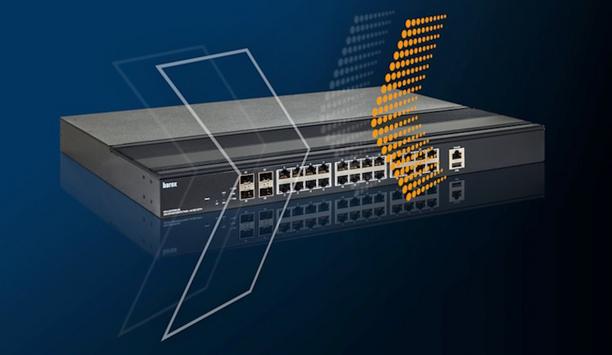
barox Kommunikation AG, the manufacturer of professional switches, media converters and IP extenders specifically designed for video applications, has released the new ultra-dynamic KN-LGIPR38-28AD, 24-port, 10Gb Managed Industrial Ethernet PoE+ switch. In addition to employing the usual extensive barox cybersecurity features, the new KN-LGIPR38-28AD includes 90~264VAC and 57VDC power inputs, enabling up to 720W PoE capability, and power redundancy with either two DC, or one DC and one AC power supplies. Demands of HD video surveillance New KN-LGIPR38-28AD also features four SFP/SFP+ 1G/10G fiber uplink ports Core features also include 10Gb and 30W of IEEE 802.3at PoE+ at each of its 24 x 10/100/1000Base-T RJ45 ports. Designed in a 19-inch rack-mount format, new KN-LGIPR38-28AD also features four SFP/SFP+ 1G/10G fiber uplink ports, while OSPFv2/v3 routing protocols brings layer-2/3 functionality and 10Gb performance to industrial applications - a sector that requires high-performance solutions-driven by the ever-increasing demands of HD video surveillance networks. IEEE 1588 V2 and PTP compliance Additionally, a fanless design coupled to an extended working temperature range covering −40 to +75°C makes the new KN-LGIPR38-28AD robust, to handle the most demanding of installation environments, even when installed in a cabinet. Furthermore, IEEE 1588 V2 and PTP (Precision Time Protocol) compliance enables maximum flexibility in system design for installers and end-users, particularly for inclusion into CNI (Critical National Infrastructure), utilities, Smart Cities and substation environments. New 24-port 10Gb switch At the same time, the switch can be configured to send an SNMP message as a real-time alert The KN-LGIPR38-28AD supports Jumbo frames at 100 Mbit/s, while each channel is continually monitored and in the event of a camera failure the new 24-port 10Gb switch will automatically attempt a camera re-boot. At the same time, the switch can be configured to send an SNMP message as a real-time alert. PoE functionality An important facet for high-security applications, ensuring cameras stay operational, the KN-LGIPR38-28AD features a PoE ‘Keep Alive’ function that checks whether the end device is still reachable. If not, PoE is restarted according to its set-up configuration. Preventing the PoE power supply from being overloaded, when the switch is powered up, the individual PoE ports can be set to start-up with a time delay. Other features include a PoE timer and priority PoE control. PoE power supply Non-stop PoE function can be set to supply all ports with ‘always on’ power When a re-boot task needs to be performed, i.e., when changing network cameras or updating firmware, ‘Non-stop PoE’ function can be set to supply all ports with ‘always on’ power. This clever functionality allows all connected cameras to stay powered, meaning no vital camera video footage lost during routine engineering procedures - another important feature for high-security applications. In addition, preventing the PoE power supply from being overloaded, when the switch is powered up, the individual PoE ports can be set to start-up with a time delay. Ethernet and PoE transmission technology Other safety features include active management of PoE, active and graphical long-term monitoring of the PoE power supply, and active camera/device monitoring. “barox’s expertise in the video and data transmission sector has produced a real industry-pioneering design, delivering layer-2/3 functionality with 10Gb capability, while providing customers with cutting-edge Ethernet and PoE transmission technology - all in a 24-port format,” says Rudolf Rohr, barox Co-Founder & Managing Partner. Rudolf Rohr adds, “With these features, the new barox KN-LGIPR38-28AD ensures greater customer security and system-design flexibility – all alongside the usual barox easy set-up and configuration.”

In an era defined by technological advancements and environmental consciousness, the United Kingdom stands at the forefront of the electric vehicle (EV) revolution. As the adoption of electric vehicles accelerates, the importance of an efficient and secure charging infrastructure becomes paramount. Beyond the convenience and sustainability factors, the discussion surrounding data security and privacy in smart EV charging networks emerges as a critical aspect. Securing and Encrypting Data Smart EV charging networks leverage digital technologies to optimize charging efficiency and manage energy demands. However, these networks collect and process various types of data, ranging from user credentials and billing information to charging patterns and locations. Ensuring the security and privacy of this data is crucial to building trust among EV owners and encouraging widespread adoption. Data Collection and Types of Data Involved Explore the types of data collected by smart EV charging networks, including user identification, charging duration, location data, and energy consumption. Discuss the role of this data in enhancing user experience, optimizing energy distribution, and supporting grid management. Potential Risks and Threats Highlight common cybersecurity threats faced by smart charging networks, such as unauthorized access, data breaches, and identity theft. Illustrate the consequences of inadequate data protection, including compromised user information and potential disruptions to the EV charging ecosystem. Smart EV Charging Network Data Security Measures Encryption and Secure Communication Explain the use of encryption protocols to safeguard data during transmission, ensuring that sensitive information remains unreadable to unauthorized parties. Detail the role of Transport Layer Security (TLS) and Secure Socket Layer (SSL) protocols in establishing secure communication channels. Authentication and Authorization Discuss multi-factor authentication methods that enhance user access control and prevent unauthorized individuals from manipulating charging processes. Highlight the significance of robust authorization mechanisms to ensure that only authorized users can initiate and manage charging sessions. Anonymization and Aggregation Explore the concept of anonymization, which involves removing personally identifiable information (PII) from data to protect user privacy. Discuss how aggregated and anonymized data can still provide valuable insights for grid management and infrastructure planning without compromising individual privacy. UK's Privacy Initiatives and Regulatory Framework General Data Protection Regulation (GDPR) Provide an overview of GDPR’s relevance to EV charging networks in the UK, emphasizing the rights of users over their personal data and the obligations of charging network operators. Privacy by Design and Default Explain the principle of privacy by design, which encourages the integration of privacy considerations into the design and development of smart charging systems. Highlight how adopting privacy-centric practices from the outset enhances data security and user trust. Conclusion As the UK continues its journey towards a cleaner and smarter transportation landscape, the security and privacy of data in smart EV charging networks remain pivotal. By implementing robust security measures, adhering to privacy regulations, and prioritizing user trust, the country can shape an EV charging infrastructure that not only advances sustainability but also safeguards the personal information of every EV owner. Through collective efforts from regulators, charging network operators, and technology providers, the UK can set a precedent for responsible and secure data management in the realm of electric mobility.
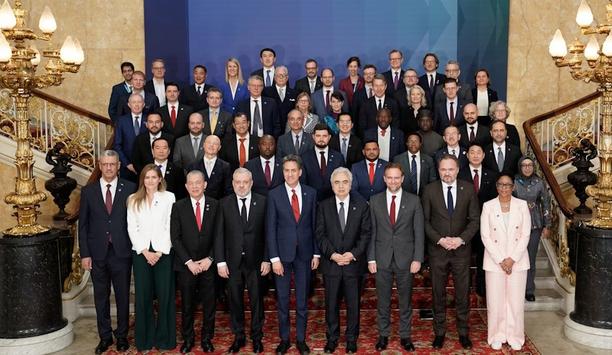
The Summit on the Future of Energy Security concluded at Lancaster House in London with a strong signal of renewed international cooperation and resolve. Co-hosted by the IEA and the UK Government, the landmark two-day event brought together decision makers from 60 governments and over 50 major energy companies, alongside international institutions and civil society organizations, to confront a major global challenge: securing the energy systems of today and tomorrow. Keynote speeches The Summit was a unique international event, bringing together a diverse range of countries and businesses With keynote speeches from UK Prime Minister Keir Starmer and European Commission President Ursula von der Leyen, the Summit was a unique international event, bringing together a diverse range of countries and businesses. Convened at a time of heightened geopolitical uncertainty, rising energy demand and accelerating technological change, the event provided a platform to reassess and reframe energy security in a rapidly transforming world. It was co-chaired by UK Secretary of State for Energy Security and Net Zero Ed Miliband and IEA Executive Director Fatih Birol. Challenging geopolitical and economic times “In challenging geopolitical and economic times, this Summit has demonstrated that while the nature of energy security is evolving, the need for international cooperation remains constant,” said IEA Executive Director Fatih Birol. “What emerged from our discussions was not only a shared understanding of the challenges ahead, but a recognition that the solutions – whether technical, political, or financial – will be more effective if pursued together.” “This Summit has made it clear for the world that we are in a new era of energy security – and the IEA will build on its decades of leadership by continuing to spearhead international efforts to ensure secure, affordable and sustainable energy supplies for all.” Collective energy security "This week, alongside the International Energy Agency, we brought together 60 governments from around the world, as well as sector leaders, for the first major global summit on clean energy as energy security,” said UK Secretary of State for Energy Security and Net Zero Ed Miliband. “We have discussed how to drive our collective energy security, and here in the UK we have announced a £300 million boost for offshore wind supply chains through Great British Energy and finalized a major deal to deliver 2,000 skilled jobs to build a carbon capture network, through our Plan for Change.” “In a changing and uncertain world, Britain is determined to strengthen our alliances and double down on our commitment to multilateralism and this week's discussions will set strong foundations so we can rise to the challenges of the years ahead.” Future of energy security Participants agreed that the future of energy security must also encompass newer dimensions The Summit opened with a clear recognition that energy security can no longer be understood solely in terms of traditional risks. While safeguarding oil and gas supplies and maintaining emergency response mechanisms remain critical, participants agreed that the future of energy security must also encompass newer dimensions such as cybersecurity, extreme weather events, supply chain resilience for critical minerals and clean technologies, and integration of electrified and decentralized systems. Holistic approach to energy security The Chairs’ Summary emphasized the need for a “holistic approach to energy security”, highlighting the overlapping pressures that are reshaping the global energy system. Clean technologies – such as wind, solar, nuclear, and battery storage – are being deployed at unprecedented speed, helping to reduce reliance on fossil fuel imports and protect consumers from price volatility, the summary noted. Importance of energy access and affordability Participants at the Summit emphasized the importance of energy access and affordability Participants at the Summit emphasized the importance of energy access and affordability as fundamental to national and international security. With nearly 700 million people worldwide still lacking electricity and over 2 billion without access to clean cooking, addressing energy poverty was highlighted throughout the Summit as a key challenge to overcome. Delegates acknowledged that affordability concerns are growing even in advanced economies, where low-income households are disproportionately affected by energy costs. Transitions to clean energy Moreover, many Summit participants underscored that transitions to clean energy must be just and fair. Fossil fuels will likely remain part of the energy mix for years to come, particularly in sectors where alternatives remain limited, the Chairs’ Summary noted. Participants stressed the importance of responsible management of resources, including continued investment in emissions reductions across oil and gas supply chains, decommissioning of ageing infrastructure, and reskilling of workforces. Support for regions and communities that risk being left behind in the shift to new technologies and industries was frequently stressed. Technology and innovation At the same time, participants flagged the growing exposure of critical infrastructure to cyber threats Technology and innovation featured prominently in the discussions. As energy systems become more digital and interconnected, the potential of artificial intelligence and advanced analytics to improve forecasting, efficiency, and resilience was widely acknowledged. At the same time, participants flagged the growing exposure of critical infrastructure to cyber threats, emphasizing the need to embed resilience from the outset – through regulation, investment, and international coordination. The IEA was encouraged to build on its ongoing work in this area and lead further efforts to improve knowledge-sharing and benchmarking for emerging technologies. Growing role of electricity The growing role of electricity – particularly in transport, heating, and industry – was another major focus. As electrification of more and more of the economy accelerates, securing power grids becomes both more difficult and more important. Delegates called for long-term policy frameworks that anticipate future system needs, including flexible generation, storage demand-side response, and regional interconnection. Several interventions noted that without strategic grid expansion and modernization, efforts to scale up clean power could be undermined by physical and operational bottlenecks. Growing geopolitical and economic implications Finally, the Summit spotlighted the growing geopolitical and economic implications of clean energy supply chains. From mining and processing of critical minerals to manufacturing solar panels and wind turbines, supply chains are increasingly central to global energy security. Participants recognized both the opportunities for new industrial development and the risks of overdependence on a limited number of suppliers.

Expert Commentary

Even during the era of big business, most residential electrical service companies tend to be on the smaller end with less than 20% employing more than 100 workers. And, like most small businesses, electrical contractors probably assume that they don’t need public relations and that their advertising efforts are enough to sustain them. But this is a common misconception. PR isn’t a luxury reserved for million-dollar companies and can be used to help progressively scale your business in the long run. Lead generation companies If you’re like most electrical contractors, you are using the marketing and advertising advice that many other home service companies have taken over the years and have confined your advertising into avenues such as direct mail, lead generation companies, truck wraps and a reliance on third-party referral websites. That is one reason why adding PR to your marketing budget is a necessity While these are all good options, the problem is that your competition is also using the same marketing techniques you are using and are probably only reaching the same set of potential customers. That is one reason why adding PR to your marketing budget is a necessity if you want to rise above your peers in your market. Residential electrical services If you were to do a quick Google search for electrical contractors in your community, chances are you’d find page after page of similar options. And, if you aren’t on the first page of that list, you aren’t making much of an impact. But, with the right PR partner, you can build your company’s reputation and recognition so that it becomes synonymous with good residential electrical services. A public relations expert can help you develop campaigns that show you as a thought leader in your market while helping you secure earned media in your local news and trade publications. A public relations expert can help you develop campaigns that show you as a thought leader These methods increase your visibility. Strong visibility not only helps you reach a wider audience, it inadvertently helps you move up spots in Google rankings. The more mentions your company gets on social media, in the news and on other online platforms, the better Google ranks your website. what is Earned media So what is earned media? That’s media that isn’t paid for or owned by your company and includes media interviews, customer reviews and organic mentions on social media. And, it’s important because it is by far the most trusted form of publicity available. Studies have shown that more than 90% of consumer trust earned media over paid-for advertising. Consumers have become savvy to commercials and no longer uses ads as their main method of researching a potential service partner. But, it’s getting this earned media that can prove tricky for most electrical contractors. Most of you probably don’t know any journalists and you certainly don’t have time with your busy schedule to cultivate relationships with the media. Potential service partner A good PR expert can pitch your expertise and story ideas surrounding your company That’s where a PR agency can help. Many of them are former reporters or know the business well enough to have built relationships with many media outlets. A good PR expert can pitch your expertise and story ideas surrounding your company to media both locally and in trade publications. It’s also possible that you haven’t considered the need to consistently read and respond to your customers’ reviews online. This is important because studies have shown that more than 92% of consumers say they read online reviews before they purchase a product or hire a service provider. Social media game Since you do have a business to run, it may be difficult to carve out enough time to reply to these reviews – both the good and bad ones – in a way that is both effective and conciliatory. But, a PR partner does have the time and the experience to do this for you. But, a PR partner does have the time and the experience to do this for you Finally, PR helps you stay on top of your social media game. It’s not enough to simply have a company Facebook or LinkedIn page – you have to consistently post content and engage your followers. Coming up with something new to post is a challenge when you’re trying to schedule house calls, pay bills and hire quality electricians. Attracting new customers Once you have developed a PR strategy that helps you to promote your brand, increase your visibility and develop you and your company as the market leaders in your community, you’ll begin to notice that your brand is reaching a wider audience. And, it’s a proactive strategy that will help you influence the market in your favor. These positive messages help you grab the attention of your target audience and connect with them on a personal level. PR is about telling a good story to build relationships and it’s these relationships that will help you grow beyond that of your competitors. Heather Ripley is founder and CEO of Ripley PR, an elite, global public relations agency specializing in skilled trades, B2B tech and franchising. Ripley PR has been recognized by Entrepreneur Magazine as a Top Franchise PR Agency five years in a row and was named to Forbes’ America’s Best PR Agencies for 2021. She is the author of ‘NEXT LEVEL NOW: PR Secrets to Drive Explosive Growth for your Home Service Business.’
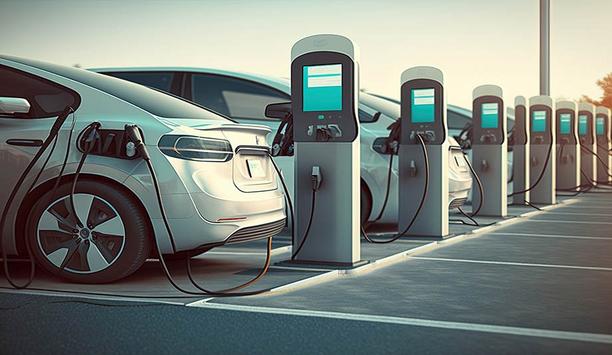
The promise of electric vehicles is closer to reality than ever before. New plans and investments at the federal level designate billions of dollars to move our country toward clean energy, including $2 million to help auto manufacturers retool facilities to increase EV production. Additionally, the Biden Administration has announced a goal to create 100% carbon-free electricity by 2035 and a net-zero carbon economy by 2050. Domestic EV marketplace The domestic EV marketplace has grown from 16,000 to more than 2 million vehicles in the last decade and is poised to expand at lightning speed over the next ten years. S&P Global mobility has predicted that by 2030, electric vehicles (EVs) will make up 40% of the U.S. market share of new vehicles on the road. This dramatic increase in EVs will require a nationwide network of charging stations to meet the demand from the current 140,000 to over 1.1 million. Charging stations It is a necessity that regulators lay the groundwork now for a reliable and secure charging networkThe expansion of charging stations will undoubtedly give zero-emissions drivers more confidence in their ability to refuel more conveniently. Still, it’s critical that confidence in infrastructure security also be prioritized alongside this growth. If not adequately protected and monitored, charging stations could serve as access points for cybercriminals, potentially leading to personal data leaks, attacks on vehicle systems, and even widespread blackouts. As EVs continue to gain momentum as realistic alternatives to CO-2 emitting vehicles, it is a necessity that developers and regulators lay the groundwork now for a reliable and secure charging network for the long term. EV Charging Infrastructure and the electric grid The nation’s electric grid generates and delivers electricity essential to everyday life. It’s made up of power plants and other sources of generated electricity, complete with transmission and distribution lines and infrastructure that delivers essential power. Grid connection An important aspect to remember about EV charging stations is that they connect to their relative electric grid. Simply put, the infrastructure for charging stations is comprised of devices that wait for another device to connect and communicate. However, it lacks a third-party firewall or other devices that can act as protection. Unfortunately, this results in vulnerability and means new doors for cybercriminals to walk through. Cybersecurity risks If the grid became compromised by a large-scale attack, it could lead to destructive and widespread blackouts Even before EV charging stations are factored in, the electric grid faces substantial cybersecurity risks from criminals, terrorists, hackers, and foreign governments every day. If the grid became compromised by a large-scale attack, it could lead to destructive and widespread blackouts that would undoubtedly affect EV charging stations and other essential institutions such as banks, hospitals, and gas stations. With the expansion of EV charging stations, the risks only grow. Now is the time to address threats and strategize before disaster strikes. Risks of connectivity emerge The world we live in has reached a level of being almost entirely connected at all times – security systems, appliances, health monitors, industrial sensors, and now, our vehicles. While the connectivity of vehicles has been incredibly beneficial to consumers and the automotive industry alike, the growth in the internet of things (IoT) has opened countless doorways for cybersecurity threats. Software flaws One young information technology security specialist reported finding flaws within a third-party software that a handful of leading EV manufacturers use. It gave him access to more than 25 EVs in at least 13 countries. The man, who stumbled on the findings in 2022, said he could remotely control some EV functions, including starting vehicles, unlocking windows and doors, disabling security systems, and turning on stereo systems and flashing headlights. The IT specialist said he could also tell if a person was in the vehicle. In a separate and concerning situation, a single compromised password led to a foreign-fronted cyberattack on a U.S.-based pipeline in 2021. It halted the fuel supply process on the east coast and cost the company $4.4 million in ransom money. Cyberattacks Thousands of charging stations are already in danger of being targeted by cybercriminals The point is that even massive and powerful companies can fall victim to cyberattacks. Even though cybersecurity is a critical issue for EV manufacturers, their systems are still vulnerable to hackers. Thousands of charging stations are already in danger of being targeted by cybercriminals, and as the number of stations grows, so too will the risk. The higher the number of entry points, the more opportunities hackers will see. If they can break into and gain access to even the most sophisticated EVs, it could be catastrophic. Ensuring security and reliability through proactivity Because charging stations are connected to the country’s primary grid, the entire infrastructure must be armed with the most aggressive security measures. The risks associated with modernized electric vehicles are not something that traditional automotive safety regulations and security standards properly cover. The complicated and rapid evolution of EVs is putting them at a heightened threat. When charging stations are connected to the electrical grid, it is imperative to ensure strong cybersecurity measures are in place to remain dependable and effective. Embedding cybersecurity technology We often see outside parties utilized to secure tech because of the frequent lack of necessary cyber protection The best way to ensure the electric grid's safety is to build cybersecurity technology directly into the charging stations. We often see outside parties utilized to secure tech because of the frequent lack of necessary cyber protection. Unfortunately, the promising growth EVs and their charging stations bring to our environment also contributes to technology’s vulnerabilities, which can cause key security measures to be overlooked. There’s no getting around it: EV charging stations are highly vulnerable to hackers. Awareness and solutions As the growth continues, there is an acute need for heightened awareness and solutions for the weaknesses associated with these charging stations. These solutions should consider everything from the charging points and devices to operators of the energy distribution networks and infrastructure providers. We must aim to implement advanced cybersecurity measures that will keep safe drivers and all the data that EVs contain.
Case studies

Wasatch Electric provided design and renovation services across 45,000 square feet of prime office space. The project was completed on an ultra-fast-track schedule. Only four months elapsed from the start of design to owner occupancy. To meet this deadline, Wasatch compressed the design process into an aggressive one-week schedule and expedited the procurement of multiple specialty lighting fixtures. Additionally, after the contract was awarded, a communications and data scope as well as sound masking were added to the project, which Wasatch were able to coordinate and complete entirely in-house while still maintaining the tight schedule. Client Objectives The client wanted to renovate their Draper, UT offices with minimal disruption to their daily operations. Wasatch Electric’s craft personnel provided a complete range of electrical solutions across two separate building floors—one of which was occupied by the tenant. The scope included: Electrical Fire alarm, including integration into existing building system Raceways for security and audio/visual systems Power devices Lighting and lighting control Telecommunications and data systems Sound masking Client Background Symantec was a software company that provided an enterprise cybersecurity technology and services. In 2019, Symantec became known as Norton LifeLock after being acquired by Broadcom Inc.

Quanergy Solutions, Inc., a provider of 3D LiDAR (Light Detection and Ranging) security solutions, was chosen by Vancouver International Airport (YVR) to analyze footfall to support the passenger journey with the ultimate goal of enhancing operational efficiencies. Quanergy’s technology is delivering accurate data-driven insights for YVR’s Domestic Check-in and Security Screening facilities. Real-time insights “Through the implementation of Quanergy’s solutions, we have harnessed the power of real-time insights, gaining a deep understanding of passenger volumes and the associated wait times at different stages of their journey through the terminal,” said Jason Williams, Manager of Innovation & Technology Group, YVR. He adds, “With this high-precision data at our disposal, we can trigger real-time alerts whenever we approach or exceed predefined thresholds. This invaluable capability enables us to collaborate seamlessly with our stakeholders, ensuring that our travelers experience a smooth and stress-free journey through our airport.” Q-Track YVR currently uses insights to meet several operational and business imperatives, such as reducing check-in time With Quanergy’s 3D LiDAR sensor and advanced perception software solution, Q-Track, YVR can accurately identify, classify, and track people/objects for enhanced operational insights. YVR currently uses these insights to meet several operational and business imperatives, such as reducing check-in time and time spent passing through security, which ultimately sees an increase in customer happiness. streamline operations “We are pleased to have collaborated closely with the YVR team, resolving a multifaceted challenge encountered by many passenger terminals today,” said Adam Andres, Vice President of Global Sales at Quanergy. He adds, “The forward-thinking of the YVR Innovation and Technology Group, in embracing Quanergy’s field-tested and fully scalable Q-Track solution, led to the achievement of our project objectives. We take pride in our contribution, providing real-time actionable intelligence to enhance security, streamline operations, and elevate the overall passenger experience.”

Mitsubishi Electric Corporation announced that it has delivered the first unit of an air-surveillance radar system to the Philippine Air Force last month. The system, which was designed, manufactured and tested in Japan, was ordered by the Department of National Defense of the Republic of the Philippines in August 2020. first unit of air-surveillance radar system delivered Mitsubishi Electric continues to work on the remaining units for future delivery This is the first time a Japanese company has transferred finished defense equipment to a foreign government since the Japanese government established the Three Principles on Transfer of Defense Equipment and Technology in April 2014. Mitsubishi Electric continues to work on the remaining units for future delivery. Mitsubishi Electric contributes to Japan’s security In accordance with the government’s aforementioned Three Principles, Mitsubishi Electric is contributing to Japan’s security by working to strengthen deterrence through cooperation with the Japanese government, in order to meet needs for joint development, equipment transfer and participation in supply chains involving various governments and companies in other countries.
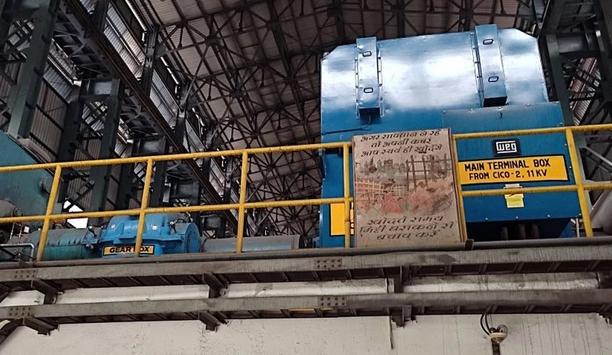
WEG stands out once again by supplying a large custom-built induction motor for an Integrated Steel Plant in the Eastern part of India, in the state of Odisha. The induction motor of the MGW line, 26 MW/4 Poles/11 kV, is the largest ever manufactured in WEG's manufacturing site in India for the Indian market, it was selected to drive the main air compressor of the oxygen plant, essential for the operation of the entire Phase-1 of the steel production plant. challenges of interchangeability The project involved replacing an existing motor at the plant, a complex task that required technical expertise to overcome the challenges of interchangeability of the new motor with the existing structure. For this, it was essential to combine all the dimensions of the machine, ensuring that no modifications were necessary on-site or in the foundation. From the water inlet and outlet to the oil lines, cable entry points and shaft details, each element was carefully considered for an efficient transition. WEG supplies induction motor System criticality has been significantly minimized, eliminating the need for complex maintenance The choice of an induction motor not only met the technical demands, but also offered substantial advantages over synchronous motors, commonly used for this application because induction motors are rare in this size and power. System criticality has been significantly minimized, eliminating the need for complex maintenance associated with components such as the exciter and exciter panels, as well as delicate integration with motor and rotor telemetry systems. WEG's commitment The reliability of WEG's induction motor was a key element in keeping production running smoothly. Since the motor was installed, the steel plant has not experienced any unplanned downtime in the last one year of operation, contributing to a continuous and efficient production environment. With WEG's commitment to offer technological and reliable solutions to the market, this association not only increases the productivity of the plant, but also contributes to increasing the steel production capacity on Indian soil.

Oshkosh Airport Products, a division of Pierce Manufacturing Inc., a subsidiary of Oshkosh Corporation announces Airservices Australia has issued a purchase order for four Oshkosh Airport Products Striker® Volterra™ 6x6 Aircraft Rescue and Fire Fighting (ARFF) hybrid electric vehicles. These environmentally advanced fire apparatus will be deployed at the new Western Sydney International Airport (WSI), set to open in 2026. Striker Volterra 6x6 The Striker Volterra 6x6 comes equipped with an Oshkosh-patented hybrid-electric drivetrain, featuring an electro-mechanical infinitely variable transmission. This enables zero-emissions operation through the integrated onboard batteries and uninterrupted power supply by coupling with the internal combustion engine for pumping and drive systems. innovative design Airservices Australia is making a significant investment to support the development of an “airport of the future” WSI is a transformational infrastructure project expected to boost economic activity, provide local employment opportunities, meet Sydney's carbon-neutral sustainability initiatives, and meet the area’s growing aviation needs. Airservices Australia is a government entity making a significant investment to support the development of an “airport of the future,” featuring world-pioneering technology, innovative design, and a sustainability plan incorporating assets like the Striker Volterra ARFF hybrid electric vehicles. sustainability "As the first airport built in Australia in over 50 years, WSI is not just an airport; it's a statement of intent for a more sustainable future,” said Dave Archer, Vice President of Engineering for Oshkosh Vocational. He adds, “The Striker Volterra vehicles, with their hybrid electric technology, align perfectly with Airservices Australia and WSI’s goals. These vehicles are not only an asset to emergency response capabilities but also play a crucial role in larger environmental sustainability initiatives." environmentally conscious choice Dave Archer continues, "They symbolize a dedication to intelligent design, energy optimization, fire crew safety and efficiency, and ultimately, a carbon-neutral future." Striker Volterra ARFF hybrid electric vehicles demonstrate the most advanced acceleration and reduced fuel consumption compared to our standard diesel models, making them an environmentally conscious choice for emergency response services. Striker Volterra features Striker Volterra ARFF demonstrates a 28 percent improved acceleration compared to the standard diesel models WSI’s four new Striker Volterra 6x6 vehicles will feature an industry-pioneering modular cab design, TAK-4® all-wheel independent suspension, and a 50’ Snozzle® High Reach Extendable Turret. They each house an 11,356-liter (3,000-gallon) water tank, a 1,590-liter (420-gallon) foam tank, and a 7,570 lpm (2,000 gpm) water pump, along with a 250 kg (550 lb.) dry chemical powder system. Accelerating from 0 to 80 kph (0 to 50 mph) in under 25 seconds, the Striker Volterra ARFF demonstrates a 28 percent improved acceleration compared to the standard diesel models when fully loaded. training, implementation, and service support Dave Archer added, “The collaboration between Oshkosh Airport Products and Airservices Australia marks a significant step forward in the aviation industry's commitment to sustainability. We remain committed to a strong partnership, providing world-class training, seamless implementation, and unwavering service support to ensure these vehicles exceed expectations in the critical missions of ARFF crews.” By leveraging new technologies and innovations like Oshkosh Airport Products’ Striker Volterra ARFF hybrid electric vehicles, WSI will showcase the feasibility of low-carbon operations and set a new standard for airports worldwide.

DNV is pleased to have supported a landmark solar and storage project in the Republic of Palau in the Western Pacific region. Philippines-based power producer - Solar Pacific Energy Corporation (SPEC), the solar developer of listed Alternergy Holdings Corporation, appointed DNV as Owner’s Engineer for the 15.3 MWp solar power and associated 13.2 MWh battery energy storage system (BESS) in Ngatpang state on Babeldoab, the largest island in the Palau archipelago. The USD 29 million project, which is jointly owned by SPEC and its listed parent – Alternergy, will meet more than 20% of Palau’s energy needs. SPEC was awarded a long-term power supply agreement by the Palau Public Utilities Corporation (PPUC) to feed power to the central grid in Badelboab. The power plant was inaugurated last June 2. DNV’s work scope for the solar + BESS hybrid system DNV assessed if the design would meet two main purposes: grid smoothing and energy generation DNV’s work scope for the solar + BESS hybrid system, SPEC’s first venture into overseas markets, spanned four phases across the design, pre-construction, construction, and project completion stages. DNV assessed if the design would meet two main purposes: grid smoothing and energy generation. It advised on project scheduling and progress tracking, and checked the engineering, procurement and construction (EPC) contract on SPEC’s behalf. “Solar Pacific is grateful to DNV for its excellent technical and project management support throughout the pre-construction and implementation stages of this exciting project. DNV provided valuable expertise to ensure the delivery of a rather complex project that involved a PV and battery storage hybrid solution on a challenging project site located in a remote location. We look forward to expanding our working relationship with DNV throughout the Asia Pacific region,” said Mike Lichtenfeld, the Chief Executive Officer (CEO) of Solar Pacific Energy Corporation (SPEC). DNV, Alternergy and SPEC partnership “Alternergy is delighted to conclude another successful renewable project with DNV,” said Gerry Magbanua, the President of Alternergy, adding “Since 2014, we have collaborated with DNV in developing our pioneering wind and solar projects in the Philippines.” Project construction management was conducted remotely from DNV’s Singapore office Project construction management was conducted remotely from DNV’s Singapore office, with DNV’s partner providing onsite construction personnel supervised and managed by DNV and owner’s site representatives (OSRs) for both the civil and electrical engineering aspects. The OSRs monitored construction and with input from DNV specialist engineers, delivered several monitoring, inspection, verification, witnessing and testing activities during construction, commissioning, testing and energization of the system. DNV inspections post-commissioning DNV inspections post-commissioning ensured that non-conformance with contract specifications was sufficiently rectified, before certifying the project as ready for handover and issuing the Final Completion Certification. According to DNV’s latest Energy Transition Outlook report, Southeast Asia will see solar PV and solar coupled with storage play a significant role in the region’s electricity generation share, rising sharply from the late 2030s to generating 74% of the electricity by 2050.