Understanding the dangers posed by arc flashes and the importance of reducing their impact is crucial for professionals working in industries reliant on electrical systems.
This phenomenon, known for its potential to cause severe injuries, highlights the need for effective mitigation strategies to ensure safety.
Defining Arc Flash Reduction
Arc flash reduction involves implementing safety protocols to reduce electrical accident risks
The National Electrical Code (NEC) Article 240.87 establishes requirements for arc energy reduction, particularly for circuit breaker applications with ratings of 1200A and above.
Compliance necessitates documentation proving the location, system, and methods used to decrease arc flash clearing time. Essentially, arc flash reduction involves implementing safety protocols to reduce electrical accident risks arising from arc flashes.
Understanding Arc Flashes
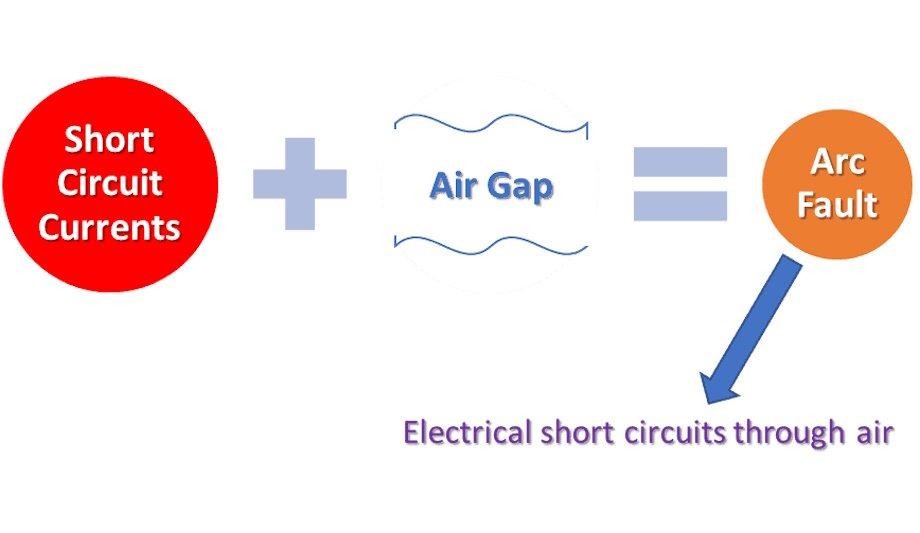
An arc flash is the sudden release of energy through the air due to an electrical short circuit, also known as an Arc Fault. The intense heat, light, and pressure produced can result in severe burns, injury, or even fatality.
To illustrate, the temperature during an arc flash can reach up to 35,000°F, which is much higher than the surface of the sun at approximately 10,000°F.
The Critical Role of Arc Flash Reduction
Arc flash reduction measures are vital for preventing exposure to extreme conditions
While arc flash hazards might not be a daily occurrence for everyone, they pose significant risks in various sectors, including manufacturing, construction, and energy industries.
When electricians work on live electrical panels, arc flash reduction measures are vital for preventing exposure to extreme conditions. These precautions can help avert the potentially devastating consequences of arc flashes triggered by faulty connections.
Mechanics of Arc Flash Reduction
Arc flash reduction strategies incorporate engineering controls, safe work practices, and personal protective equipment (PPE) to minimize risks.
Key approaches include:
- Equipment Maintenance: Regular checks and upkeep of electrical systems can identify potential hazards, mitigating dangerous situations before they occur.
- Risk Assessment: Analyzing electrical systems helps pinpoint hazards and evaluate arc flash incident energy levels, facilitating the determination of proper PPE as per NFPA 70E Section 130.3.
- Electrical System Design: Using appropriate engineering practices, including correct equipment selection and implementing arc reduction designs outlined in NEC Article 240.87, considerably diminishes arc flash risks.
- Safe Work Practices: Enforcing safety protocols, such as de-energizing equipment before maintenance, using insulated tools, and maintaining correct clearance, reduces the likelihood of arc flash occurrences.
- Personal Protective Equipment: Flame-resistant clothing, arc-rated face shields, and gloves provide additional protection for workers should an arc flash event occur.
Advancing Safety with NOARK Electric Components
Implementing arc flash reduction methodologies is imperative to safeguard individuals from the severe outcomes of arc flash incidents.
By adopting engineering controls, integrating safe work practices, and utilizing suitable PPE, environments where electrical work is conducted can become significantly safer.
NOARK Electric going to dive into the phenomenon of arc flash and the need for its mitigation.
Now, people might be wondering, “What on earth is arc flash?” By the end of this blog post, they’ll have a clear understanding of what it is and why it’s important to mitigate the impact.
What is Arc Flash Reduction?
According to NEC Article 240.87, arc energy reduction is required for circuit breaker applications of ratings 1200A and above. The requirement from the code includes proof of documentation to show the location, system, and a means of reducing the clearing time of the arc flash.
Arc flash reduction as stipulated by NEC is a set of safety measures designed to minimize the risk of electrical accidents caused by arc flashes. But hold on, what’s an arc flash? Well, an arc flash is a sudden release of energy through the air, resulting from an electrical short circuit through air, otherwise known as Arc Faults.
Arc-energy reduction
This intense release of heat, light, and pressure can cause severe burns, injury, or even death. For context, the sun's surface temperature measures about 10,000°F, while the temperature around an arc flash can go up to 35,000°F
While a servicing electrician is working in live electrical equipment, arc-energy reduction aims to reduce the amount of arc energy present in the energized equipment. There may be circumstances in which electrical equipment that is energized needs to be serviced.
The Importance of Arc Flash Reduction
Now, they might be thinking, “Do I really need to worry about arc flash reduction?” Well, while not everyone encounters arc flash hazards daily, it’s essential to understand the potential risks involved and take necessary precautions.
Arc flash incidents can occur in various industries, including manufacturing, construction, and energy sectors, where electricity plays a significant role.
Imagine this: they’re an electrician, diligently working on a live electrical panel. Suddenly, due to a faulty connection, an arc flash occurs. Without proper arc flash reduction measures in place, they could be exposed to extreme heat, blinding light, and a high-pressure blast.
How does Arc Flash Reduction Work?
Arc flash reduction employs a combination of engineering controls, safe work practices, and personal protective equipment (PPE) to minimize the risks associated with arc flashes. Here are some key measures used in arc flash reduction:
- Equipment Maintenance: Regular maintenance and inspections of electrical equipment help identify potential faults or issues before they escalate into dangerous situations.
- Risk Assessment: Conducting a thorough study of analysis of electrical systems can identify potential hazards and measure arc flash incident energy levels. This helps to determine the appropriate level of PPE required as stipulated in NFPA 70E Section 130.3
- Electrical System Design: Employing proper engineering practices, such as selecting the right equipment and employing arc reduction designs provided for in NEC Article 240.87, can significantly reduce the risks of arc flashes.
- Safe Work Practices: Implementing safety protocols, like de-energizing equipment before working on it, using insulated tools, and maintaining proper clearance distances, helps minimize the chances of an arc flash incident.
- Personal Protective Equipment: Wearing flame-resistant clothing, arc-rated face shields, gloves, and other appropriate PPE provides an additional layer of protection for workers in the event of an arc flash.
Employ Proper Arc Flash Reduction with NOARK Electric Components
So, there they have it! Arc flash reduction is all about taking necessary steps to protect individuals from the potentially catastrophic effects of arc flash incidents.
By implementing engineering controls, adopting safe work practices, and donning appropriate PPE, they can ensure a safer working environment for everyone.