Electrification is gathering pace, moving from a mobility-focused trend into a catalyst for broader engineering and manufacturing change. As manufacturers, systems integrators and designers look beyond combustion and hydraulic technologies, this brings fresh demands on supply chains, productivity and design principles.
Here, Simon Farnfield, event director at Advanced Engineering, explores the impact of electrification and the challenges facing the engineering community as they make the transition.
Electric motors to power machinery
Meeting these challenges requires a collaborative approach spanning supply chains, sectors
When they think of electrification, it’s easy to jump to electric vehicles (EVs). However, electrification is now prominent in many sectors, such as aerospace, logistics, and manufacturing.
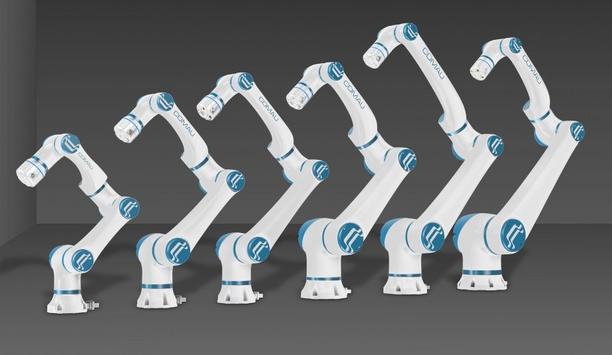
Just look at the number of manufacturers using electric motors to power machinery in their plants, replacing older hydraulic systems. It’s the same in aerospace, where electric actuators are increasingly used for flight control to help simplify and light-weight structures.
However, these sectors share many of the challenges faced by EVs, like efficiently storing, converting and controlling electric power and ensuring long-term battery reliability. Meeting these challenges requires a collaborative approach spanning supply chains, sectors and disciplines — and this means bringing the engineering community together to solve them.
Supply chain pressures
For many engineering and production firms, the most obvious impact of the electrification transition will be the strain it puts on their supply chains.
According to a survey by Make UK, increases in the cost of raw material, transport, and energy are all driving supply chain disruption, with almost half of those surveyed having increased investment in supply chain resilience.
New sourcing strategies and supplier relationships
The disruption caused by electrification is almost inevitable: the transition needs a shift in components
The disruption caused by electrification is almost inevitable: transition requires a shift in components – from hydraulic cylinders to electric actuators, from internal combustion components to power electronics.
These demand new sourcing strategies and supplier relationships. Just to illustrate this, the same survey by Make UK found that four-fifths of companies are diversifying their supply chains by increasing or reducing suppliers, and electrification will only exacerbate this trend.
The skills and knowledge gap
By 2026, it is estimated that 91,000 engineers — nearly 20 percent of the UK’s current engineering workforce — will have retired or will be about to. This is problematic, not just for the electrification hopes but for the engineering industry in general.
As systems become more electrified and connected, the skills required to design, install, and maintain them are shifting. Now, mechanical engineers are expected to understand electric drives and how they work. Similarly, control engineers must integrate energy monitoring and safety protocols for high-voltage systems.
OEMs and system integrators to end users
Face an upskilling challenge that impacts everyone from OEMs and system integrators to end users
They now face an upskilling challenge that impacts everyone from OEMs and system integrators to end users. They must focus on bridging these knowledge gaps, and initiatives such as Advanced Engineering UK’s ongoing #MINDTHEskillsGAP will be crucial.
This campaign calls for closer collaboration between industry pioneers and policymakers to develop solutions that will secure the next generation of engineering talent.
A shared challenge
To harness the benefits of electrification, they must realize that no individual sector has all the answers. For example, battery thermal management techniques used in aerospace could help guide automotive production. Meanwhile, material science advances in robotics could shape EV motor design.
They can expect electrification to continue transforming the UK’s engineering and manufacturing industry, but this also poses several challenges that they must address.
Latest developments in commercial and private vehicles
Advanced Engineering UK feeds such a forum, jointly with over 9,000 of the engineering minds
The impact on supply chains is one thing, but they must futureproof the skills and knowledge powering the industry, and this means creating a cross-sector collaborative space where ideas can be shared and innovation encouraged.
Advanced Engineering UK provides such a platform, bringing together over 9,000 of the brightest engineering minds each year to explore cutting-edge innovations and uncover pioneering solutions.
This year, the Automotive Forum has been renamed the Automotive, Mobility & Electrification Forum. All three themes will be included in the program, covering the latest developments in commercial and private vehicles as well as motorsport and more.
Insights into the future of engineering and manufacturing
Speakers include representatives from the Engineering Integrity Society, Jaguar Land Rover and Silverstone Technology Cluster and much more.
To see the latest advancements in electrification and more, register for attendance at Advanced Engineering UK, taking place on October 29 and 30, 2025. This exhibition offers a platform to explore cutting-edge innovations, network with industry pioneers and gain insights into the future of engineering and manufacturing.