Transportation
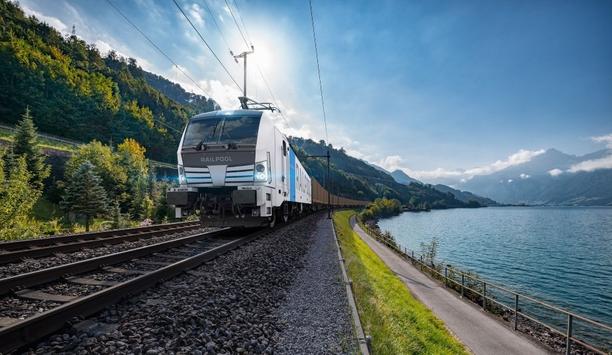
Siemens Mobility, a provider of sustainable and innovative rail solutions, and Railpool, one of Europe’s rail vehicle rental companies, have signed a preliminary agreement to purchase a 15,000 square meters plot from Consorzio ZAI. The site is located within the Verona Interporto logistics hub, the largest integrated traffic terminal in Italy. With a joint investment of around €20 million, the two companies intend to jointly develop a state-of-the-art expert center for locomotive ma...
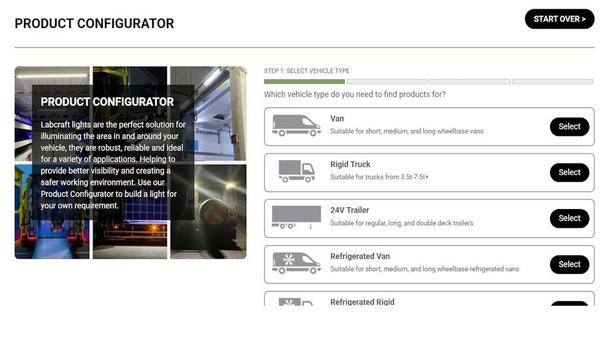
Labcraft, the UK-based designer and manufacturer of high-performance LED lighting for commercial vehicles, has launched a fully redesigned website that makes it easier for customers to find and specify the right lighting solutions for their vehicles. At the heart of the new site is an interactive product configurator, developed in direct response to customer feedback requesting a faster, more intuitive way to identify suitable lighting for specific vehicle types and applications. Rather...

With assistance from multiple departments within SWEPCO, the ribbon was cut on a much-anticipated grand opening of the new Travel Centers of Americas truck stop and EV charging station near Hosston, Louisiana. “This is what we do,” expressed Jeff Thigpen, SWEPCO Alternate Energy Resource Manager while addressing a large crowd of Caddo Parish and state leaders during the Friday, April 5, 2024, grand opening. “It’s really forward thinking. They put electric charging on si...

Wasatch Electrical provided all electrical services for Stadler’s new, 230,000-square-foot manufacturing facility, their first in the U.S. Because of the tight project schedule, as well as the building’s size and large scope of work, the crews needed to be highly efficient, productive, and organized. Using and improving on successful material and resource management practices, Wasatch Electric was able to successfully finish the project on-time and on-budget. Client Objectives Sta...

Siemens has announced the launch of the SICHARGE FLEX product family, its next-generation electric vehicle (EV) distributed charging system, designed to be flexible, reliable, and economical – adaptable for a variety of use cases. Designed with modularity, scalability, and versatile adaptability, SICHARGE FLEX underscores Siemens’ unwavering commitment to leading the charge in smart infrastructure and the global transition to electric mobility. SICHARGE FLEX As the demand for robu...

Nidec Advance Technology Corporation announced that it will exhibit products at electronica India 2025, an event to be held in Bangalore, India from Wednesday, September 17 – Friday, September 19, 2025. In this exhibit, which is a largest of its kind in India to showcase all kinds of electronics ranging from electronic components to manufacturing equipment to semiconductors to electronic substrates and circuits, the company will display its mainstream products, including the latest models...
News

As the demand for electric vehicles (EVs) continues to surge, the need for reliable and efficient EV charging infrastructure becomes increasingly critical. NOARK Electric, a pioneering supplier of low-voltage electrical components, is at the forefront of this transformation, offering cutting-edge solutions that optimize EV charging systems. Among these solutions, the M2G Molded Case Circuit Breaker (MCCB) works in tandem with the Ex9C300 Contactor to enhance safety, efficiency, and reliability in EV charging stations. These innovations will be part of a line-up of 1500VDC & 800VAC Circuit Protection & Distribution solutions, including the A25 Power Circuit Breaker, prominently featured at the upcoming RE+ event in Anaheim, CA, from September 9-12, where visitors can explore NOARK’s offerings at booth E206. Ensuring Safety in EV Charging One of the primary concerns in EV charging is ensuring the safety and protection of both the infrastructure and the end users. The use of ground fault molded case circuit breakers (MCCBs) addresses these concerns by providing robust protection against electrical earth leakages. MCCBs are indispensable in automatically disconnecting EV branch circuits in the event of short circuits and overload faults, preventing potential hazards such as electrical fires. Specifically designed for Level 2 and Level 3 EV charging installations, NOARK’s MCCBs offer unparalleled safety features that are essential in today’s fast-paced electromobility landscape. Advanced Design for Enhanced Protection NOARK’s MCCBs are engineered with both external and internal safety mechanisms that make them ideal for EV charging applications. External Design Features: Environmental Protection: The molded external casing safeguards the internal components from dust, moisture, and other environmental factors, ensuring long-term reliability. Impact and Tamper Resistance: The robust design resists physical impact and tampering, providing an additional layer of security. Aesthetic Appeal: The sleek design integrates seamlessly into various charging station environments, enhancing the overall visual appeal. Internal Safety Components: Tripping Mechanism: In the event of overcurrent fault, the MCCB’s tripping mechanism promptly disconnects the circuit, preventing damage to the EV charger and associated equipment. Arc Chute Technology: This feature extinguishes arcs that may form during tripping, minimizing the risk of fire and equipment damage. Early Ground Fault Detection: By detecting ground faults early, the MCCB prevents potential electrical fires and ensures the safety and integrity of the EV charging system. Unique Features & Benefits for EV Charging NOARK’s MCCBs are designed with the needs of modern EV charging systems in mind, offering several key benefits: Compact Size: The compact design allows for easier installation and maintenance, maximizing space for additional components or accessories. Super-Fast Reaction Time: MCCBs interrupt faults in milliseconds typically before the fault current reaches its prospective peak, providing immediate protection against short circuit currents. Adjustable Trip Settings: Electricians can customize the trip settings to match the specific requirements of smart EV chargers, ensuring optimal protection and system harmony. Discover More with NOARK For those looking to enhance their EV charging infrastructure, NOARK offers a range of innovative solutions designed to meet the demands of the evolving electromobility market. To learn more about NOARK’s offerings and how they can optimize the EV charging systems, visit the website. Explore the future of EV charging with NOARK at the RE+ event in Anaheim, CA, from September 9-12, and see firsthand how the advanced MCCBs can transform the charging stations.

Electrification is gathering pace, moving from a mobility-focused trend into a catalyst for broader engineering and manufacturing change. As manufacturers, systems integrators and designers look beyond combustion and hydraulic technologies, this brings fresh demands on supply chains, productivity and design principles. Here, Simon Farnfield, event director at Advanced Engineering, explores the impact of electrification and the challenges facing the engineering community as they make the transition. Electric motors to power machinery Meeting these challenges requires a collaborative approach spanning supply chains, sectors When they think of electrification, it’s easy to jump to electric vehicles (EVs). However, electrification is now prominent in many sectors, such as aerospace, logistics, and manufacturing. Just look at the number of manufacturers using electric motors to power machinery in their plants, replacing older hydraulic systems. It’s the same in aerospace, where electric actuators are increasingly used for flight control to help simplify and light-weight structures. However, these sectors share many of the challenges faced by EVs, like efficiently storing, converting and controlling electric power and ensuring long-term battery reliability. Meeting these challenges requires a collaborative approach spanning supply chains, sectors and disciplines — and this means bringing the engineering community together to solve them. Supply chain pressures For many engineering and production firms, the most obvious impact of the electrification transition will be the strain it puts on their supply chains. According to a survey by Make UK, increases in the cost of raw material, transport, and energy are all driving supply chain disruption, with almost half of those surveyed having increased investment in supply chain resilience. New sourcing strategies and supplier relationships The disruption caused by electrification is almost inevitable: the transition needs a shift in components The disruption caused by electrification is almost inevitable: transition requires a shift in components – from hydraulic cylinders to electric actuators, from internal combustion components to power electronics. These demand new sourcing strategies and supplier relationships. Just to illustrate this, the same survey by Make UK found that four-fifths of companies are diversifying their supply chains by increasing or reducing suppliers, and electrification will only exacerbate this trend. The skills and knowledge gap By 2026, it is estimated that 91,000 engineers — nearly 20 percent of the UK’s current engineering workforce — will have retired or will be about to. This is problematic, not just for the electrification hopes but for the engineering industry in general. As systems become more electrified and connected, the skills required to design, install, and maintain them are shifting. Now, mechanical engineers are expected to understand electric drives and how they work. Similarly, control engineers must integrate energy monitoring and safety protocols for high-voltage systems. OEMs and system integrators to end users Face an upskilling challenge that impacts everyone from OEMs and system integrators to end users They now face an upskilling challenge that impacts everyone from OEMs and system integrators to end users. They must focus on bridging these knowledge gaps, and initiatives such as Advanced Engineering UK’s ongoing #MINDTHEskillsGAP will be crucial. This campaign calls for closer collaboration between industry pioneers and policymakers to develop solutions that will secure the next generation of engineering talent. A shared challenge To harness the benefits of electrification, they must realize that no individual sector has all the answers. For example, battery thermal management techniques used in aerospace could help guide automotive production. Meanwhile, material science advances in robotics could shape EV motor design. They can expect electrification to continue transforming the UK’s engineering and manufacturing industry, but this also poses several challenges that they must address. Latest developments in commercial and private vehicles Advanced Engineering UK feeds such a forum, jointly with over 9,000 of the engineering minds The impact on supply chains is one thing, but they must futureproof the skills and knowledge powering the industry, and this means creating a cross-sector collaborative space where ideas can be shared and innovation encouraged. Advanced Engineering UK provides such a platform, bringing together over 9,000 of the brightest engineering minds each year to explore cutting-edge innovations and uncover pioneering solutions. This year, the Automotive Forum has been renamed the Automotive, Mobility & Electrification Forum. All three themes will be included in the program, covering the latest developments in commercial and private vehicles as well as motorsport and more. Insights into the future of engineering and manufacturing Speakers include representatives from the Engineering Integrity Society, Jaguar Land Rover and Silverstone Technology Cluster and much more. To see the latest advancements in electrification and more, register for attendance at Advanced Engineering UK, taking place on October 29 and 30, 2025. This exhibition offers a platform to explore cutting-edge innovations, network with industry pioneers and gain insights into the future of engineering and manufacturing.

Copley Controls, a global pioneer in the motion control industry, announces the release of its Nano High Power (Nano HP) and Nano Plus High Power (Plus-HP) digital servo drives for brush and brushless motors. Both series expand Copley’s compact Nano family and feature redesigned power boards for higher current output, making them ideal for traction motor applications in autonomous mobile robots (AMR), automated guided vehicles (AGV) and other space-limited mobile robotics requiring higher-power embedded modules. Copley’s Nano Standard platform Nano Plus-HP is built on the avant Nano Plus platform with an FPGA-based architecture for enriched functionalities The Nano HP is based on Copley’s Nano Standard platform with ARM processor, while the Nano Plus-HP is built on the advanced Nano Plus platform with FPGA-based architecture for enhanced functionalities. Both drives operate from 9 to 90 V DC input voltage and deliver up to 140 A of continuous current, providing exceptional power density and efficiency. They also support EtherCAT (CoE) and CANopen communication protocols for real-time data exchange, with the Plus-HP supporting additional networking protocol options. Additional features and specifications Safe Torque Off (STO) capability with SIL 3, Category 3, PL e conformance. One analog input: ±10V, 12-bit (HP) / 16-bit (Plus-HP). 16-kHz current loop update. 4-kHz position and velocity loop update. Five high-speed digital inputs. Four high-speed digital outputs, including brake. Multiple encoder interfaces — incremental, absolute, dual feedback, and digital halls. 32-bit floating point filters and multiple advanced filters. Frequency analysis tools. Requirements of many mobile robotics applications Nano HP and Plus-HP drives are designed to meet the requirements of many mobile robotics applications, AGVs, AMRs, and field robotics. Standard modules can be implemented using connectors or by soldering power pins for high load current applications, while the Z-style modules’ small form factor facilitates integration with standard connectors and a frame-mounted heat plate.

Comnet, a major manufacturer of mission-critical industrial networking solutions, announced the release of an ultra-resilient, high-power PoE switch. As the first in Comnet’s new line of IEEE802.3bt-compliant Ethernet switches, the CNGE10FX2TX8MSBT switch delivers a powerful combination of performance, flexibility, and durability — ideal for powering next-generation devices in extreme environments. High-performance applications The switch’s flexible power architecture allows users to install a smaller power supply With 8 RJ45 ports delivering 90W simultaneously and a total PoE budget of 720W, plus 2 SFP ports supporting up to 2.5 Gbps, the new solution is engineered for high-capacity, high-performance applications like advanced IP cameras, edge sensors, digital signage, and intelligence-driven systems. The switch’s flexible power architecture allows users to install a smaller power supply today and scale up later, eliminating the need for costly hardware replacements as demands grow. Built for resilience and bandwidth-intensive applications, the switch maintains full power output across a -40°C to +70°C temperature range while ruggedized housing and redundant power inputs ensure maximum uptime. Port Guardian technology It is designed for mission-critical sectors, including transportation, security, energy It is designed for mission-critical sectors, including transportation, security, energy, and manufacturing, and features Comnet’s Port Guardian technology, which automatically locks down ports in case of tampering to guard against unauthorized access. “We are proud to introduce our latest product innovation, designed and built in the United States, for harsh environments with high bandwidth and high-power requirements,” said Sergio Resendiz, President, Comnet. “We built this new switch to deliver full 90W power on every port, even in harsh conditions. Whether you need that level of power today or are planning for tomorrow, the new switch provides the flexibility to scale without compromising reliability or security. It’s built to keep your network connected, no matter the circumstances.” Designed, manufactured, and supported in the United States, the switch meets BABA, NDAA, and TAA compliance standards and comes with a limited lifetime warranty, making it a reliable, future-ready solution for secure, industrial-grade connectivity.

TME's product range has been expanded to include PowerLok power connectors from Amphenol GEC. This is a new offering from a renowned supplier, primarily aimed at manufacturers and electrical engineers focused on the EV and hybrid automotive industries. Additionally, the presented products are also suitable for renewable energy installations, especially energy storage systems. Although all introduced products belong to the same family, this offering should be divided into two groups: PowerLok G2 plugs and sockets, and PowerLok 4.0 G2 connectors. PowerLok G2 These products are high-performance electrical connectors made using aluminum alloy These products are high-performance electrical connectors made using aluminum alloy. They can conduct currents up to 300A at a nominal voltage of 1kV DC. They offer a wide range of configurations, including straight and angled versions. The assortment includes both wire-mounted plugs (cross-sections up to 150mm2) and panel-mounted plugs. A single connector can have 1, 2, or 3 pins. At the same time, the body design ensures complete insulation and shielding of contacts to protect operators and minimize interference. Applications for the product The main applications of these products are power trains in hybrid and fully electrified vehicles The main applications of these products are power trains in hybrid and fully electrified vehicles: in passenger cars, trucks, buses, as well as agricultural machinery and off-road vehicles. Given such demanding applications, the products are made to a protection class reaching IP67, i.e., high water resistance and full dust tightness that could impair the conductivity of connections. Complete water resistance is achieved when the connectors are mated. PowerLok 4.0 G2 Unlike the connectors described above, the PowerLok 4.0 G2 sub-series is intended for powering accessories and components in vehicles (sensors, actuators, servomechanisms, etc.). Their electrical parameters are therefore slightly lower (currents 5…60A, wires up to 10mm2), but their bodies are also smaller in size. Here too, high protection class reaching IP69 after connection is ensured. It is worth noting that all PowerLok connectors also feature wide thermal tolerance and can operate in temperatures ranging from -40°C to 125°C. Amphenol GEC PowerLok™ connectors characteristics: Type of connector: DC power Connector type: Male or female Spatial orientation: Straight or angled Mechanical mounting: On wire, on panel, flange (4 holes) Mechanical durability: 100 cycles Operating temperature: -40...125°C Protection class: IP2X, IP67, IP69 Polarization: 2X, 3X, U, V, W, X, Y Number of pins: 1…3 Rated current: 60…300A Wire cross-section: 4...150mm2 Rated voltage: 1kV

ALVA Industries (Alva) and Copley Controls are partnering to present a joint live demonstration at Automatica 2025, showcasing the integration of Alva’s SlimTorq™ frameless motors with Copley’s high-performance Accelnet BPL-090-30 servo drive. Copley’s compact and efficient The demo, available throughout the show at Alva’s booth (Hall B6, Booth 521) combines Alva’s zero-cogging, frameless SlimTorq™ motor with Copley’s compact and efficient servo control to deliver smooth, precise motion in a ready-to-integrate package. This collaboration underscores the shared commitment of both companies to advance performance, reliability, and flexibility in demanding automation and robotics applications. Alva’s zero-cogging torque motor “We’re excited to demonstrate our high-performance servo drives alongside Alva’s zero-cogging torque motor,” said Ryan LaVoie, Director of Product Management & Marketing at Copley Controls, adding “Together, we’re showcasing a motion control solution that delivers unmatched precision, smoothness and efficiency -ideal for today’s most demanding applications.” “Partnering with Copley Controls allows us to show just how seamlessly SlimTorq™ integrates into advanced motion systems. This demo proves that high performance and clean integration can go hand in hand,” said Anton Franzén, Director of Product Management & Application Engineering at Alva Industries. Alva’s SlimTorq™ motor series SlimTorq™ offers the flexibility and version required in robotics and precision medical settings At the core of the setup is Alva’s SlimTorq™ motor series, designed for advanced motion systems that demand low cogging, high torque density, and compact integration. With its frameless, slotless design and large through-hole, SlimTorq™ offers the flexibility and performance required in robotics, gimbals, and precision medical environments. CANopen DS-402 support and multiple motion modes Driving this platform is the Copley Accelnet BPL-090-30, a DC-powered servo drive delivering up to 15 A continuous current for position, velocity, and torque control. Featuring CANopen DS-402 support and multiple motion modes, including Profile Position, Interpolated Position (PVT), and Homing, the BPL offers fast commissioning via CME 2™ software and compatibility with both incremental and absolute encoders. Its compact size and multi-mode feedback port make it a versatile choice for embedded motion solutions.

Expert Commentary
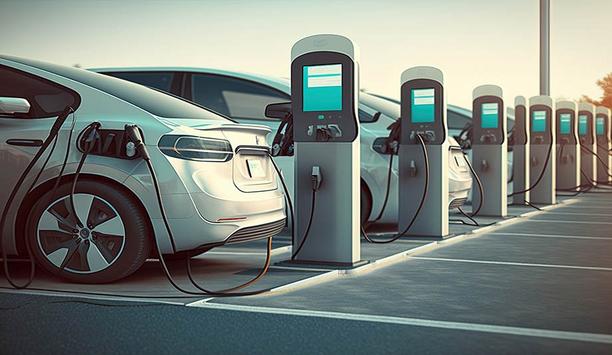
The promise of electric vehicles is closer to reality than ever before. New plans and investments at the federal level designate billions of dollars to move our country toward clean energy, including $2 million to help auto manufacturers retool facilities to increase EV production. Additionally, the Biden Administration has announced a goal to create 100% carbon-free electricity by 2035 and a net-zero carbon economy by 2050. Domestic EV marketplace The domestic EV marketplace has grown from 16,000 to more than 2 million vehicles in the last decade and is poised to expand at lightning speed over the next ten years. S&P Global mobility has predicted that by 2030, electric vehicles (EVs) will make up 40% of the U.S. market share of new vehicles on the road. This dramatic increase in EVs will require a nationwide network of charging stations to meet the demand from the current 140,000 to over 1.1 million. Charging stations It is a necessity that regulators lay the groundwork now for a reliable and secure charging networkThe expansion of charging stations will undoubtedly give zero-emissions drivers more confidence in their ability to refuel more conveniently. Still, it’s critical that confidence in infrastructure security also be prioritized alongside this growth. If not adequately protected and monitored, charging stations could serve as access points for cybercriminals, potentially leading to personal data leaks, attacks on vehicle systems, and even widespread blackouts. As EVs continue to gain momentum as realistic alternatives to CO-2 emitting vehicles, it is a necessity that developers and regulators lay the groundwork now for a reliable and secure charging network for the long term. EV Charging Infrastructure and the electric grid The nation’s electric grid generates and delivers electricity essential to everyday life. It’s made up of power plants and other sources of generated electricity, complete with transmission and distribution lines and infrastructure that delivers essential power. Grid connection An important aspect to remember about EV charging stations is that they connect to their relative electric grid. Simply put, the infrastructure for charging stations is comprised of devices that wait for another device to connect and communicate. However, it lacks a third-party firewall or other devices that can act as protection. Unfortunately, this results in vulnerability and means new doors for cybercriminals to walk through. Cybersecurity risks If the grid became compromised by a large-scale attack, it could lead to destructive and widespread blackouts Even before EV charging stations are factored in, the electric grid faces substantial cybersecurity risks from criminals, terrorists, hackers, and foreign governments every day. If the grid became compromised by a large-scale attack, it could lead to destructive and widespread blackouts that would undoubtedly affect EV charging stations and other essential institutions such as banks, hospitals, and gas stations. With the expansion of EV charging stations, the risks only grow. Now is the time to address threats and strategize before disaster strikes. Risks of connectivity emerge The world we live in has reached a level of being almost entirely connected at all times – security systems, appliances, health monitors, industrial sensors, and now, our vehicles. While the connectivity of vehicles has been incredibly beneficial to consumers and the automotive industry alike, the growth in the internet of things (IoT) has opened countless doorways for cybersecurity threats. Software flaws One young information technology security specialist reported finding flaws within a third-party software that a handful of leading EV manufacturers use. It gave him access to more than 25 EVs in at least 13 countries. The man, who stumbled on the findings in 2022, said he could remotely control some EV functions, including starting vehicles, unlocking windows and doors, disabling security systems, and turning on stereo systems and flashing headlights. The IT specialist said he could also tell if a person was in the vehicle. In a separate and concerning situation, a single compromised password led to a foreign-fronted cyberattack on a U.S.-based pipeline in 2021. It halted the fuel supply process on the east coast and cost the company $4.4 million in ransom money. Cyberattacks Thousands of charging stations are already in danger of being targeted by cybercriminals The point is that even massive and powerful companies can fall victim to cyberattacks. Even though cybersecurity is a critical issue for EV manufacturers, their systems are still vulnerable to hackers. Thousands of charging stations are already in danger of being targeted by cybercriminals, and as the number of stations grows, so too will the risk. The higher the number of entry points, the more opportunities hackers will see. If they can break into and gain access to even the most sophisticated EVs, it could be catastrophic. Ensuring security and reliability through proactivity Because charging stations are connected to the country’s primary grid, the entire infrastructure must be armed with the most aggressive security measures. The risks associated with modernized electric vehicles are not something that traditional automotive safety regulations and security standards properly cover. The complicated and rapid evolution of EVs is putting them at a heightened threat. When charging stations are connected to the electrical grid, it is imperative to ensure strong cybersecurity measures are in place to remain dependable and effective. Embedding cybersecurity technology We often see outside parties utilized to secure tech because of the frequent lack of necessary cyber protection The best way to ensure the electric grid's safety is to build cybersecurity technology directly into the charging stations. We often see outside parties utilized to secure tech because of the frequent lack of necessary cyber protection. Unfortunately, the promising growth EVs and their charging stations bring to our environment also contributes to technology’s vulnerabilities, which can cause key security measures to be overlooked. There’s no getting around it: EV charging stations are highly vulnerable to hackers. Awareness and solutions As the growth continues, there is an acute need for heightened awareness and solutions for the weaknesses associated with these charging stations. These solutions should consider everything from the charging points and devices to operators of the energy distribution networks and infrastructure providers. We must aim to implement advanced cybersecurity measures that will keep safe drivers and all the data that EVs contain.
Power Beat

Electricians play a pivotal role in preventing electrical fires by following safe practices during installations, repairs, and inspections. At a minimum, electricians should ensure all electrical wiring and components are installed according to current building codes and manufacturers' specifications. This includes using the right size wires for the amperage load, using approved materials, and properly securing all connections. During electrical inspections, electricians should identify and address any potential fire hazards. Electricians can also advise homeowners on electrical safety measures they can take to prevent fires. These include safe appliance use, avoiding overloaded outlets, and the importance of smoke detectors and fire extinguishers. Maintenance of electrical systems Ground Fault Circuit Interrupters (GFCIs) can prevent possible fires. GFCI outlets have built-in protection to detect imbalances in electrical current and quickly shut off power to prevent shocks and potential fires, particularly in areas prone to moisture like kitchens and bathrooms. Regular maintenance of electrical systems is also crucial for fire prevention. Electricians can perform preventative maintenance checks to identify and address any developing issues before they become serious fire hazards. Fire departments responded to an average of 32,160 home fires involving electrical distribution Fire departments responded to an average of 32,160 home fires involving electrical distribution and lighting equipment each year in 2015–2019, according to the National Fire Protection Association (NFPA). Electrical fires cause scores of civilian deaths and hundreds of civilian injuries, as well as millions of dollars in property damage. Fire Hazards in the Home Some of the electrical components that present fire hazards in the home include faulty electrical outlets and switches, worn or damaged components, overloaded circuits, damaged or frayed cords, and misused extension cords and power strips. Improper use of light fixtures can also be a danger, and space heaters can be a fire hazard if they are placed too close to flammable materials or left unattended. Damaged or frayed cords can cause sparks and ignite nearby flammable materials As outlets and switches age, the wiring behind them can loosen and break, causing sparks and fire. Loose plugs can also overheat and ignite surrounding materials. Plugging too many appliances into a single outlet or using extension cords instead of proper wiring can overload a circuit, thus causing overheating and fires. Damaged or frayed cords can cause sparks and ignite nearby flammable materials. Cords that are kinked, pinched, or have exposed wires should be avoided and replaced immediately. Minimizing the Risk of Electrical Fires Here are some steps a homeowner can take to minimize the risk of fire from electrical systems: Upgrade the electrical system, especially if the home is older. If the electrical system has not been updated in a while, a qualified electrician can advise if it needs modernization. This could involve upgrading to breakers with better safety features such as Arc-Fault Circuit Interrupter (AFCI) and Ground Fault Circuit Interrupter (GFCI) technology. Schedule an electrical safety inspection. Having a qualified electrician periodically inspect a home's electrical system can identify potential problems before they escalate into fire hazards. Keep flammable materials away from electrical components, including curtains, furniture, and piles of paper. Sparks and overheating can easily ignite nearby flammables. Addressing Multiple Threats Effective communication is key for electricians to impress upon homeowners the seriousness of fire hazards. Avoid technical jargon and explain fire hazards in clear, concise language that homeowners can understand. Focus on the potential consequences, like damage to property or injury, to heighten awareness. Pictures can be worth a thousand words. Show homeowners examples of damaged wiring, overloaded outlets, or faulty installations that pose fire risks. This can be done through photos on a tablet or phone, or even carrying around small physical samples. Frame the conversation around safety for the homeowner and their family. Highlight how addressing these hazards can prevent potential fires and ensure a safe living environment. Provide a written report after the inspection or repair. This report should detail the identified hazards, the corrective actions taken, and any recommendations for future maintenance or upgrades. By combining clear communication, visual aids, and a focus on safety, electricians can effectively convey the importance of addressing fire hazards to homeowners and empower them to make informed decisions about their electrical systems.

Many economists are predicting a recession in 2023, although most agree business conditions should improve by the end of the year. For the electricals market, numerous factors are in play that can offset the downturn, and any projections must also consider the variables of the local market (rather than the national or international outlook). Economic weakness and challenges The Conference Board forecasts that economic weakness will intensify and spread more widely throughout the U.S. economy over the coming months with a recession starting in early 2023. Real GDP growth was expected to be 2.0 percent year-over-year in 2022, then slow to 0.2 percent in 2023, and later rebound to 1.7 percent in 2024, according to the Conference Board. 2023 comes on the heels of a challenging year for electricals, when price increases and product shortages were a stark reality. Impact of higher prices A troubled geopolitical environment provides an additional source of economic uncertainty Sales growth numbers in 2022 were skewed by the impact of inflation: How much of the bigger numbers were “real growth” and how much reflected the impact of higher prices? Higher prices accounted for the lion’s share of revenue growth by some estimates, with real growth in the low single digits. A troubled geopolitical environment, exemplified by the war in Ukraine and a continuing COVID crisis in China, provides an additional source of economic uncertainty. environmentally friendly technologies A positive factor that may offset the fragile outlook in 2023 includes an overall trend toward greater electrification and away from less energy-efficient power sources. Governments around the world are pushing for more environmentally friendly technologies, which provides positive headwinds for the electricals market. In the United States, for example, the Inflation Reduction Act, passed in August 2022, includes government investments and tax incentives to drive the transition to a greener world, including $27 billion to deploy low- and zero-emissions technologies, and $1 billion more each for advancing zero-emissions heavy-duty vehicles and for zero-energy building code adoption. Tax incentives Another $750 million will be spent to establish interstate electricity transmission lines, and $87 million will go to low-emission electricity programs. Tax incentives will provide new inducements for consumers to transition to electric technologies, which means more business for the broader electrical market. The government is also encouraging investment in infrastructure spending and the construction of factories for a variety of electrical products. Residential construction The higher interest rates present affordability challenges for home buyers and a slowdown in the market Residential construction, a big factor in the electricals outlook, has slowed down considerably in 2022, and the trend will likely continue into 2023. The U.S. Federal Reserve has raised interest rates by a total of 4.25 percentage points in 2022, a trend that is reflected in the interest rates charged to homebuyers. Mortgage rates for a 30-year fixed mortgage increased from 3.2% to 6.3% in 2022. The higher interest rates present affordability challenges for home buyers and a slowdown in the market for single-family construction. Markets in the Sunbelt are less affected, but data on housing starts and building permits nationwide reflect the slowdown. Non-residential construction Non-residential construction has held up well in 2022, but demand is weakening in the new year, while a backlog of projects will likely preclude the worst of the impact, although the business pipeline will eventually be depleted. A troubling long-term trend for the construction market, and by extension the electricals market, is the tendency of companies to allow employees to work from home at least part of the time. The apparent eventual consequence is to lower the demand for office space, already reflected in lower occupancy numbers in some markets. Less construction means less demand for electrical products and services. Obviously, the long-term trend lines are still uncertain. Supply chain woes Supply chain woes and longer lead times continued to plague the world market at the start of 2023, although the situation has improved since the worst of times. Lead times are still months longer than normal, and products powered by semiconductor chips, such as lighting controls, are especially a challenge. An employee shortage continues as companies in all sectors of the electricals market struggle to find enough employees to fill their needs. The shortage stimulates opportunities for companies to work smarter and to provide more preassembled electrical products to simplify installation.
Case studies

As part of their strategy to address damp and mold, West Dunbartonshire Council will deploy Aico’s HomeLINK Environmental Sensors across all their properties. The Council is one of Scotland’s major social housing landlords, currently owning and managing over 10,400 homes, and are focusing on increasing energy efficiency, tackling existing issues, such as damp and mold, as well as improving tenant safety, health and well-being. Ei1000G Gateway and Ei1025, Ei1020 Environmental Sensors The organization has taken the proactive approach to install the Ei1000G Gateway and Ei1025 and Ei1020 Environmental Sensors in each of their homes, making this Scotland’s largest scaled Internet of Things (IoT) roll out to date. By utilizing a multi-network sim card and RF interconnection, the sensors will be seamlessly retrofitted By utilizing a multi-network sim card and RF interconnection, the sensors will be seamlessly retrofitted into existing properties and can provide the council with a consistency on key air quality information, such as carbon dioxide, temperature, humidity, as well as insights on fire and CO activations. This will then lead to insights such as indoor air quality (IAQ) risk, damp and mold, excess heat, cold homes, potential fuel poverty, and void risk. HomeLINK App for Residents The HomeLINK App for Residents empowers individuals to take control of their home’s indoor environment. Tenants will receive alarm testing reminders and tailored recommendations. Councilor Gurpreet Singh Johal, Convener of Housing and Communities, said: “None of our tenants should be living in a home that is affected by damp or mold and these new sensors will allow us to access information on the fabric of each home easily so we can take action quickly to resolve. Not only that, we will have data to track the problem and help us identify what the best approach to resolve it will be.” Biggest roll out of this type of sensor in Scotland Councilor Gurpreet Singh Johal adds, “This is the biggest roll out of this type of sensor in Scotland and I am proud that West Dunbartonshire’s approach to dealing with damp and mold is not only leading the way, but addressing the problem in an efficient and proactive manner.” As Scotland’s social housing sector now rapidly adopts the use of IoT technologies" Gregor Morrison, Regional Specification Manager for the West of Scotland said “As Scotland’s social housing sector now rapidly adopts the use of IoT technologies to help not only increase the level of home life safety, but to improve resident health and well-being. This progressive approach from West Dunbartonshire Council to provide all homes with the opportunity for this technology is admirable.” Incorporation of the Environmental Sensors Gregor Morrison adds, “The incorporation of the Environmental Sensors will be pivotal in generating essential home health insights, as well as providing data for the tenant through the resident app, leading to healthier and more energy-efficient homes within the community.” He continues, “Growing up in and around the social housing sector in Yoker & Clydebank, I’m really looking forward to continuing the close working relationship with WDC, and seeing first-hand the difference the technology can make within the community.”

Mitsubishi Electric Corporation announced that it has delivered the first unit of an air-surveillance radar system to the Philippine Air Force last month. The system, which was designed, manufactured and tested in Japan, was ordered by the Department of National Defense of the Republic of the Philippines in August 2020. first unit of air-surveillance radar system delivered Mitsubishi Electric continues to work on the remaining units for future delivery This is the first time a Japanese company has transferred finished defense equipment to a foreign government since the Japanese government established the Three Principles on Transfer of Defense Equipment and Technology in April 2014. Mitsubishi Electric continues to work on the remaining units for future delivery. Mitsubishi Electric contributes to Japan’s security In accordance with the government’s aforementioned Three Principles, Mitsubishi Electric is contributing to Japan’s security by working to strengthen deterrence through cooperation with the Japanese government, in order to meet needs for joint development, equipment transfer and participation in supply chains involving various governments and companies in other countries.
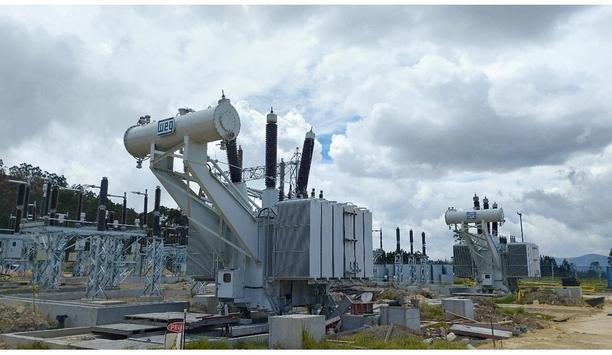
Mota-Engil, a multi-national with activities focused on the construction and management of infrastructures, responsible for the construction of the Canoas wastewater lifting station, selected WEG as the provider of a large package of electrical solutions for an important initiative to decontaminate the waters of the Bogotá River, in Colombia. Sustainable development When the project is completed, the pumping station will receive the wastewater from approximately 70% of the city, corresponding to the Fucha, Tintal, and Tunjuelo river basins, and the wastewater from the Municipality of Soacha, to be later pumped to the future Canoas Wastewater Treatment Plant, which will be one of the largest in Latin America. This great milestone will make it possible to return quality water to the Bogotá River and guarantee the sustainable development of the country. Safe distribution of energy Seventeen medium voltage switchgears were also supplied in addition to low voltage load centers One of the great challenges of this project is to guarantee the safe distribution of energy to the electrical systems and motors. For this, WEG has supplied a complete 115 kV substation that includes two 30 MVA/115/13.2 kV transformers, adding more efficiency and reliability to the plant. 17 medium voltage switchgears were also supplied in addition to low voltage load centers. For this project, WEG will also be supplying six three-phase induction motors and six medium voltage variable frequency drives. Each 4,300 kW motor, vertically mounted, will be coupled to its respective pump and will be responsible for pumping 6.4 cubic meters of wastewater per second to 51.6 meters height from the well, one of the most critical processes in the plant. Improvement of the quality of life This demonstrates the company's ability to develop integrated solutions that meet the most diverse applications. With participation in other important projects in the water and wastewater segment, in various processes such as potable water treatment plants, wastewater treatment, and distribution systems, WEG reinforces its experience in this segment by being selected for this important project, thus contributing to the improvement of the quality of life of the population and the environment.
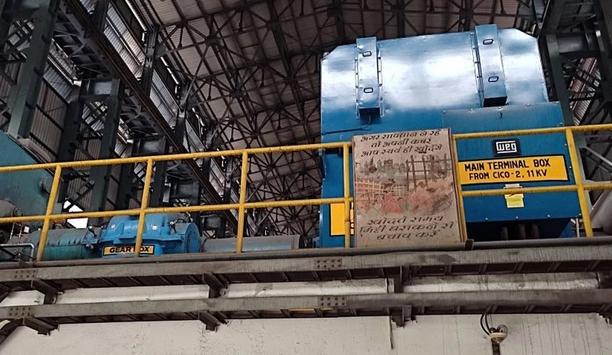
WEG stands out once again by supplying a large custom-built induction motor for an Integrated Steel Plant in the Eastern part of India, in the state of Odisha. The induction motor of the MGW line, 26 MW/4 Poles/11 kV, is the largest ever manufactured in WEG's manufacturing site in India for the Indian market, it was selected to drive the main air compressor of the oxygen plant, essential for the operation of the entire Phase-1 of the steel production plant. challenges of interchangeability The project involved replacing an existing motor at the plant, a complex task that required technical expertise to overcome the challenges of interchangeability of the new motor with the existing structure. For this, it was essential to combine all the dimensions of the machine, ensuring that no modifications were necessary on-site or in the foundation. From the water inlet and outlet to the oil lines, cable entry points and shaft details, each element was carefully considered for an efficient transition. WEG supplies induction motor System criticality has been significantly minimized, eliminating the need for complex maintenance The choice of an induction motor not only met the technical demands, but also offered substantial advantages over synchronous motors, commonly used for this application because induction motors are rare in this size and power. System criticality has been significantly minimized, eliminating the need for complex maintenance associated with components such as the exciter and exciter panels, as well as delicate integration with motor and rotor telemetry systems. WEG's commitment The reliability of WEG's induction motor was a key element in keeping production running smoothly. Since the motor was installed, the steel plant has not experienced any unplanned downtime in the last one year of operation, contributing to a continuous and efficient production environment. With WEG's commitment to offer technological and reliable solutions to the market, this association not only increases the productivity of the plant, but also contributes to increasing the steel production capacity on Indian soil.
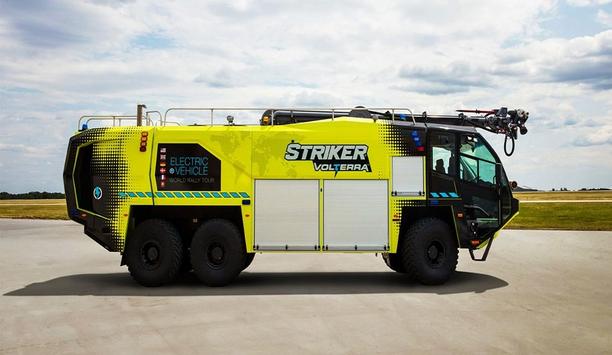
Oshkosh Airport Products, a division of Pierce Manufacturing Inc., a subsidiary of Oshkosh Corporation announces Airservices Australia has issued a purchase order for four Oshkosh Airport Products Striker® Volterra™ 6x6 Aircraft Rescue and Fire Fighting (ARFF) hybrid electric vehicles. These environmentally advanced fire apparatus will be deployed at the new Western Sydney International Airport (WSI), set to open in 2026. Striker Volterra 6x6 The Striker Volterra 6x6 comes equipped with an Oshkosh-patented hybrid-electric drivetrain, featuring an electro-mechanical infinitely variable transmission. This enables zero-emissions operation through the integrated onboard batteries and uninterrupted power supply by coupling with the internal combustion engine for pumping and drive systems. innovative design Airservices Australia is making a significant investment to support the development of an “airport of the future” WSI is a transformational infrastructure project expected to boost economic activity, provide local employment opportunities, meet Sydney's carbon-neutral sustainability initiatives, and meet the area’s growing aviation needs. Airservices Australia is a government entity making a significant investment to support the development of an “airport of the future,” featuring world-pioneering technology, innovative design, and a sustainability plan incorporating assets like the Striker Volterra ARFF hybrid electric vehicles. sustainability "As the first airport built in Australia in over 50 years, WSI is not just an airport; it's a statement of intent for a more sustainable future,” said Dave Archer, Vice President of Engineering for Oshkosh Vocational. He adds, “The Striker Volterra vehicles, with their hybrid electric technology, align perfectly with Airservices Australia and WSI’s goals. These vehicles are not only an asset to emergency response capabilities but also play a crucial role in larger environmental sustainability initiatives." environmentally conscious choice Dave Archer continues, "They symbolize a dedication to intelligent design, energy optimization, fire crew safety and efficiency, and ultimately, a carbon-neutral future." Striker Volterra ARFF hybrid electric vehicles demonstrate the most advanced acceleration and reduced fuel consumption compared to our standard diesel models, making them an environmentally conscious choice for emergency response services. Striker Volterra features Striker Volterra ARFF demonstrates a 28 percent improved acceleration compared to the standard diesel models WSI’s four new Striker Volterra 6x6 vehicles will feature an industry-pioneering modular cab design, TAK-4® all-wheel independent suspension, and a 50’ Snozzle® High Reach Extendable Turret. They each house an 11,356-liter (3,000-gallon) water tank, a 1,590-liter (420-gallon) foam tank, and a 7,570 lpm (2,000 gpm) water pump, along with a 250 kg (550 lb.) dry chemical powder system. Accelerating from 0 to 80 kph (0 to 50 mph) in under 25 seconds, the Striker Volterra ARFF demonstrates a 28 percent improved acceleration compared to the standard diesel models when fully loaded. training, implementation, and service support Dave Archer added, “The collaboration between Oshkosh Airport Products and Airservices Australia marks a significant step forward in the aviation industry's commitment to sustainability. We remain committed to a strong partnership, providing world-class training, seamless implementation, and unwavering service support to ensure these vehicles exceed expectations in the critical missions of ARFF crews.” By leveraging new technologies and innovations like Oshkosh Airport Products’ Striker Volterra ARFF hybrid electric vehicles, WSI will showcase the feasibility of low-carbon operations and set a new standard for airports worldwide.

DNV is pleased to have supported a landmark solar and storage project in the Republic of Palau in the Western Pacific region. Philippines-based power producer - Solar Pacific Energy Corporation (SPEC), the solar developer of listed Alternergy Holdings Corporation, appointed DNV as Owner’s Engineer for the 15.3 MWp solar power and associated 13.2 MWh battery energy storage system (BESS) in Ngatpang state on Babeldoab, the largest island in the Palau archipelago. The USD 29 million project, which is jointly owned by SPEC and its listed parent – Alternergy, will meet more than 20% of Palau’s energy needs. SPEC was awarded a long-term power supply agreement by the Palau Public Utilities Corporation (PPUC) to feed power to the central grid in Badelboab. The power plant was inaugurated last June 2. DNV’s work scope for the solar + BESS hybrid system DNV assessed if the design would meet two main purposes: grid smoothing and energy generation DNV’s work scope for the solar + BESS hybrid system, SPEC’s first venture into overseas markets, spanned four phases across the design, pre-construction, construction, and project completion stages. DNV assessed if the design would meet two main purposes: grid smoothing and energy generation. It advised on project scheduling and progress tracking, and checked the engineering, procurement and construction (EPC) contract on SPEC’s behalf. “Solar Pacific is grateful to DNV for its excellent technical and project management support throughout the pre-construction and implementation stages of this exciting project. DNV provided valuable expertise to ensure the delivery of a rather complex project that involved a PV and battery storage hybrid solution on a challenging project site located in a remote location. We look forward to expanding our working relationship with DNV throughout the Asia Pacific region,” said Mike Lichtenfeld, the Chief Executive Officer (CEO) of Solar Pacific Energy Corporation (SPEC). DNV, Alternergy and SPEC partnership “Alternergy is delighted to conclude another successful renewable project with DNV,” said Gerry Magbanua, the President of Alternergy, adding “Since 2014, we have collaborated with DNV in developing our pioneering wind and solar projects in the Philippines.” Project construction management was conducted remotely from DNV’s Singapore office Project construction management was conducted remotely from DNV’s Singapore office, with DNV’s partner providing onsite construction personnel supervised and managed by DNV and owner’s site representatives (OSRs) for both the civil and electrical engineering aspects. The OSRs monitored construction and with input from DNV specialist engineers, delivered several monitoring, inspection, verification, witnessing and testing activities during construction, commissioning, testing and energization of the system. DNV inspections post-commissioning DNV inspections post-commissioning ensured that non-conformance with contract specifications was sufficiently rectified, before certifying the project as ready for handover and issuing the Final Completion Certification. According to DNV’s latest Energy Transition Outlook report, Southeast Asia will see solar PV and solar coupled with storage play a significant role in the region’s electricity generation share, rising sharply from the late 2030s to generating 74% of the electricity by 2050.