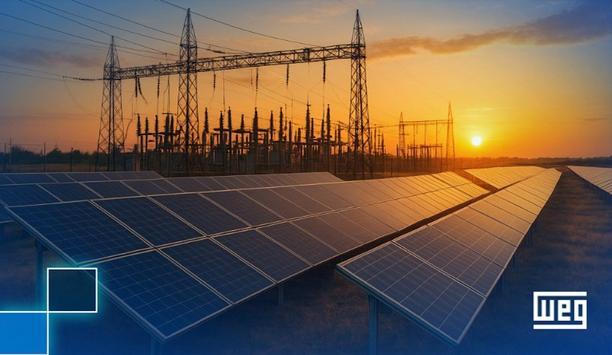
Germany must enhance its electricity infrastructure to navigate its path toward a secure, affordable energy transition, according to the International Energy Agency’s (IEA) latest Energy Policy Review. Under the longstanding Energiewende policy, the country is converting its energy framework to focus predominantly on renewable sources. This shift is seen as an avenue to bolster energy security and economic competitiveness.
Though significant strides have been made, more efforts are required to achieve Germany’s objective of climate neutrality by 2045. Key areas needing attention include the expansion of the electricity grid, reduction of energy costs, and emission cuts in transportation, buildings, and industry.
Energy Transition Strategy
IEA Deputy Executive Director Mary Burce Warlick stated at the Berlin report launch
IEA Deputy Executive Director Mary Burce Warlick stated at the Berlin report launch, with Stefan Wenzel, Parliamentary State Secretary to the Federal Minister of Economic Affairs and Climate Action, that Germany stands at a pivotal point.
This moment allows for creating economic opportunities and bolstering energy security through supportive policy environments. The report underlines Germany’s shift away from nuclear power and reduction of coal-fired energy production.
Challenges of the Energy Crisis
Germany faces challenges such as regional power imbalances and elevated electricity prices, partly caused by reduced Russian gas supplies to the European Union. Despite a noteworthy increase in wind and solar capacities, these issues undermine affordability and competitiveness. The solution lies in expanding renewable generation, enhancing grid resilience, and implementing strategies to lower consumer expenses.
The transport sector, being the highest emitter in Germany, requires deliberate strategies focusing on electric vehicles, biofuels, and improved public transport systems. The IEA report emphasizes the necessity for incentives to encourage low-emission transport options, supported by upgraded rail systems and electric vehicle charging infrastructure.
Improving Building Efficiency
Continuous engagement with households is essential to achieve these targets
The report suggests that increasing the efficiency of older building stock and transitioning to clean energy technologies are crucial. Legislation such as the Buildings Energy Act and Heat Planning Act are instrumental in paving the way for emissions reductions in space heating through methods like district heating and heat pumps. Continuous engagement with households is essential to achieve these targets.
Hydrogen Industry Development
Germany’s ambitious plans to foster a hydrogen industry aim to replace fossil fuels in challenging industrial processes. The strategy involves facilitating connections between buyers and sellers and financing necessary infrastructure. However, the report identifies delays in final investment decisions, signifying the importance of government focus on stimulating demand through specific policies.
The IEA regularly reviews energy and climate policies of its members, offering recommendations to foster policy advancement and sharing of global best practices. Overall, the report notes that Germany holds a significant economic potential through its technological and industrial leadership, provided it manages current concerns involving energy costs, public support, and industrial competitiveness.
A more efficient and resilient electricity system can support a secure, affordable energy transition in Germany, according to the IEA’s new Energy Policy Review.
Under its long-standing Energiewende policy, Germany is transforming its energy system. It is moving towards a system based largely on renewable electricity, which it views as a long-term opportunity to improve energy security and economic competitiveness.
However, more work is needed in the energy sector to reach Germany’s goal of climate neutrality by 2045, including expanding the electricity system, lowering energy prices, and reducing emissions in end-use sectors, such as transport, buildings, and industry.
Energy transition
“Germany finds itself at a critical moment in its energy transition, where it can create new economic opportunities and strengthen energy security by ensuring a supportive policy environment,” said IEA Deputy Executive Director Mary Burce Warlick, who is launching the report in Berlin alongside Stefan Wenzel, Germany’s Parliamentary State Secretary to the Federal Minister of Economic Affairs and Climate Action.
The IEA report highlights how Germany has exited from nuclear power and lowered its share of coal-fired generation.
The energy crisis
Germany is contending with regional power imbalances and high electricity prices
At the same time, it has ramped up its wind and solar capacity significantly. But challenges persist, most notably from the ongoing impacts of the energy crisis caused by Russia’s curtailment of pipeline gas supplies to the European Union.
Germany is contending with regional power imbalances and high electricity prices that erode affordability and competitiveness. Success will hinge on further growth in renewables generation, grid expansion, increased electricity system flexibility, and targeted efforts to lower consumer prices.
Transport is the largest emitting sector in Germany and is a key area for additional focus. This highlights the need for a targeted approach that covers electric vehicles, biofuels, and improvements to public transport.
Incentives for consumers
The IEA report finds that incentives for consumers to adopt low-emissions transport options will be needed to deliver meaningful reductions in transport emissions in line with Germany’s ambitions.
While upgrades across rail and electric charging will also provide the necessary supporting infrastructure.
The report recommends greater efforts to improve the efficiency of Germany’s relatively old building stock and support its transition to clean energy technologies. Germany took an important step towards this goal with the passage of the Buildings Energy Act and Heat Planning Act.
Reducing emissions
Germany has ambitious goals to develop a hydrogen industry, including plans to displace fossil fuel use
Together, they establish a long-term pathway to reduce emissions in space heating through district heating and heat pumps.
Following through on these plans and ensuring ongoing communication with households, will be essential to realizing results, according to the IEA report.
Germany has ambitious goals to develop a hydrogen industry, including plans to displace fossil fuel use in hard-to-abate industrial processes. The country’s hydrogen strategy includes innovative mechanisms to connect buyers and sellers and to finance infrastructure.
Targeted demand creation policies
Nonetheless, the IEA report finds that final investment decisions on projects are lagging, highlighting the need to focus government efforts on using targeted demand creation policies to help kick-start the sector.
The IEA regularly conducts reviews of the energy and climate related policies of its member countries and provides recommendations – a process that supports energy policy development and encourages the exchange of international best practices and experiences.
Overall, the IEA report concludes that Germany has a huge economic opportunity to leverage its technological and industrial pioneership if it stays the course with ambitious plans for an energy transition. To realize this opportunity, it must also manage present challenges relating to energy costs, public acceptance, and industrial competitiveness.