A recent report by the International Energy Agency (IEA) explores the potential for integrating solar and wind energy into Southeast Asia's power systems to enhance energy security and meet emissions targets.
Facing rapidly increasing electricity demand, the region must diversify energy sources and bolster grid infrastructure. The IEA suggests that leveraging abundant renewable resources, particularly solar and wind power, could help meet these needs.
Surging Electricity Demand and Fuel Dependency
The region's heavy reliance on imported fuels has exposed it to price volatility and supply threats
Southeast Asia experienced an electricity demand rise of over 7% in 2024, nearly double the global average, with projections indicating potential doubling by 2050 due to urbanization, industrial expansion, and improving living standards.
The region's heavy reliance on imported fuels has exposed it to price volatility and supply threats, as highlighted during the recent global energy crisis.
The report emphasizes the need for coordinated efforts among policymakers, regulators, and utilities to ensure sustainable and affordable growth in electricity supply.
Exploiting Renewable Energy Potential
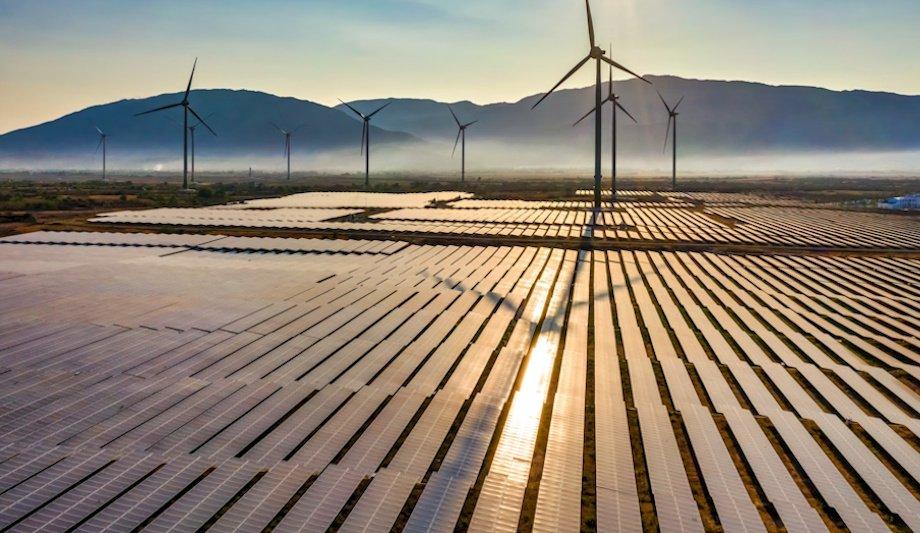
The report identifies Southeast Asia as exceptionally positioned to use its renewable energy capabilities, estimating around 20 terawatts of untapped solar and wind potential. This vast resource could significantly satisfy future energy needs and bolster energy security.
Solar and wind energy have become among the most economical options for new power generation in the region. Their adoption would decrease fuel import reliance, mitigate exposure to unstable global markets, and assist countries in achieving emissions reduction objectives.
Policies Driving Renewable Adoption
Regional strategies are gaining traction, with frameworks like the ASEAN Vision 2045 and the ASEAN Plan of Action for Energy Cooperation (APAEC) underlining the importance of clean energy advancement.
Eight out of ten ASEAN member nations have proposed net-zero emissions goals. Policy tools, such as competitive auctions and direct power purchase agreements, are expanding to expedite renewable energy integration.
Managing Power System Impacts
The report notes that foreseeable issues arising from higher shares of variable renewable energy
The report notes that foreseeable issues arising from higher shares of variable renewable energy can be managed using cost-effective and established methods.
Although all ASEAN nations, except Vietnam, are in the preliminary phases of integrating variable renewables, current impacts on power systems are minor.
Implement practical measures
Implementing practical measures, such as increasing flexibility in existing power plants, enhancing forecasting, updating grid codes, and modernizing monitoring systems, can be accomplished without significant overhauls.
Furthermore, expanding demand response through smart air-conditioners, EV charging, and storage can aid integration while reducing customer expenses.
Ongoing and Future Initiatives
The findings from this report will be discussed during the ASEAN Energy Business Forum (AEBF) on October 15, 2025, in Kuala Lumpur.
Recognizing the region's vital role in global energy progression, the IEA has established the Regional Cooperation Center in Singapore, its first office outside Paris. This center aims to address critical challenges of renewable integration, grid modernization, and energy transitions in Southeast Asia.
New IEA report examines opportunities for countries across the region to integrate more solar and wind into their power systems to help reach energy security and emissions goals. Southeast Asia’s electricity demand is rising at one of the fastest rates in the world, underscoring the need for countries to diversify energy supplies and reinforce grid infrastructure.
A new IEA report released highlights how countries in the region can leverage their abundant renewable resources, notably wind and solar PV, to meet soaring demand and achieve their energy priorities.
Risks of fuel price volatility
Electricity demand in the region grew by more than 7% in 2024 – nearly double the global average – and is set to double again by 2050, driven by rapid urbanization, industrial growth and rising living standards.
Meeting demand growth securely and affordably will require coordinated action
Now, many member states of the Association of Southeast Asian Nations (ASEAN) depend heavily on imported fuels, which exposes the region to risks of fuel price volatility and supply disruptions, as seen during the recent global energy crisis.
Meeting demand growth securely and affordably will require coordinated action from policymakers, regulators and utilities across the region, according to the report.
Options for new electricity generation
Southeast Asia is particularly well placed to benefit from its renewable energy resources, the report finds. With an estimated 20 terawatts of untapped solar and wind potential – equivalent to around 55 times the region’s current total power capacity – even a fraction of this could meet future demand while strengthening energy security.
Solar and wind are now among the most cost-competitive options for new electricity generation across Southeast Asia. Harnessing these resources would lower fuel imports, reduce exposure to volatile global markets, and help countries meet their emissions reduction targets.
Competitive auctions and direct power purchase agreements
Regional initiatives are already building momentum. The ASEAN Vision 2045 and upcoming renewal of the ASEAN Plan of Action for Energy Cooperation (APAEC) place strong emphasis on clean energy deployment, while eight of ten ASEAN member states have announced net-zero emissions targets.
Policy instruments such as competitive auctions and direct power purchase agreements are expanding across the region to accelerate renewable adoption.
Impacts on the power system
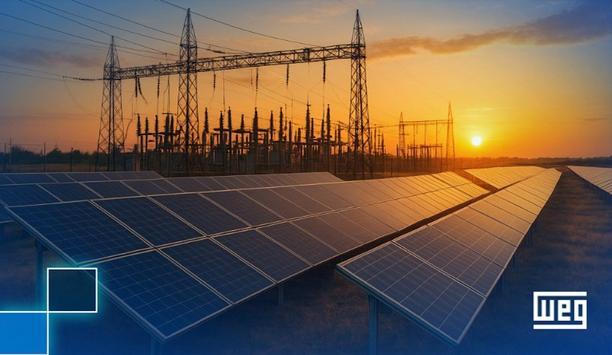
The report underscores that the near-term challenges from growing shares of variable renewable energy are manageable through proven low-cost measures. Now, all ASEAN countries except Vietnam are in the early phases of integrating variable renewables, a stage where impacts on the power system remain modest.
Practical steps, such as unlocking flexibility in existing power plants, improving forecasting, updating grid codes and modernising grid monitoring, can be implemented without major system overhauls. Expanding demand response through smart air-conditioners, EV charging and storage could further support integration while lowering consumer bills.
The report will be presented at the high-level plenary session of the ASEAN Energy Business Forum (AEBF) on 15 October 2025 in Kuala Lumpur.
Challenges of renewable integration
Recognizing Southeast Asia’s crucial role in shaping global energy trends, the IEA recently opened the IEA Regional Cooperation Center based in Singapore, the first IEA office outside the Agency’s Paris headquarters.
The Center builds on long-standing relationships and supports the region in tackling the pressing challenges of renewable integration, grid modernization and energy transitions.