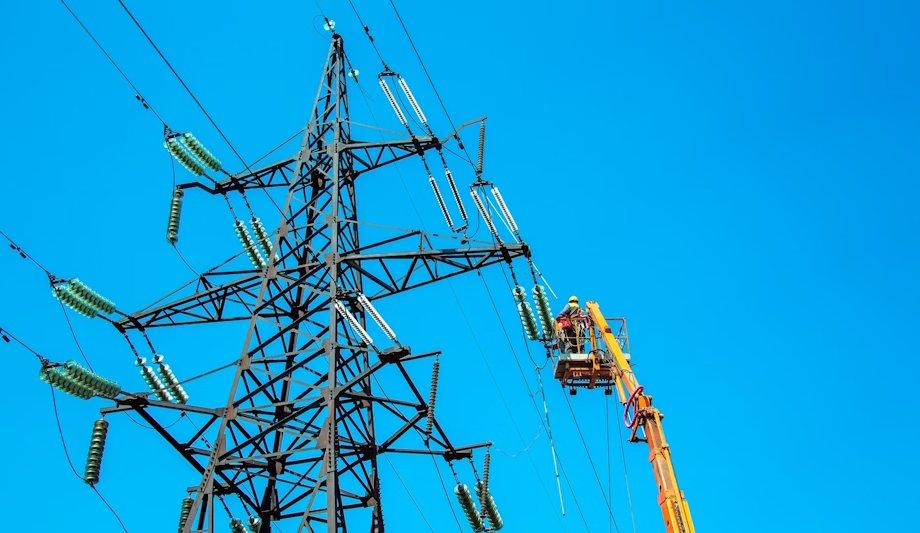
Efforts to enhance and modernize global electricity transmission grids are encountering significant challenges due to intensifying supply chain bottlenecks, as highlighted in a recent report by the International Energy Agency (IEA).
The document reveals that in the past four years, costs and procurement timelines for key components like power transformers and cables have almost doubled, presenting considerable obstacles for grid developers worldwide.
Supply Chain Challenges in an Electrifying World
As the world transitions into the Age of Electricity, global power consumption is projected to rise sharply
As the world transitions into the Age of Electricity, global power consumption is projected to rise sharply. This surge in demand is driven by increased electrification of industrial processes, growing use of air conditioning, appliances, electric vehicles, and heat pumps, alongside the burgeoning expansion of data centers fueled by advancements in artificial intelligence.
Although permitting is the primary cause of delays in transmission projects, especially in developed nations, supply chain constraints have become a significant concern.
Industry Survey on Procurement Delays
The IEA’s survey among industry leaders reveals that procurement durations have extended significantly, with cables taking two to three years and large power transformers up to four years — double the time needed in 2021.
Specialized components, such as direct current cables used for long-distance transmission, face even longer delays, surpassing a five-year wait. Component prices have risen sharply as well; cable costs have almost doubled since 2019, while power transformer prices have surged by approximately 75%.
Expansion Projects and Manufacturing Response
Bottlenecks are worsened by concurrent grid expansion projects across various regions. The push for offshore wind power projects has further strained supply chains, particularly through increased demand for specialized high-voltage subsea cables.
Manufacturers are responding by planning and investing in greater production capacity, but these expansions require time for implementation, and uncertainty looms over future demand and skilled labor availability.
Workforce and Investment Needs
The report identifies a workforce of roughly 8 million people currently involved in building, maintaining, and operating grids, with an anticipated need to expand by at least 1.5 million by 2030 to align with projected demand.
Over 1,600 gigawatts of solar and wind projects are in advanced development stages, awaiting grid connections amid these supply chain constraints. Although global investment in power transmission rose by 10% to $140 billion in 2023, the IEA suggests this figure should surpass $200 billion annually by the mid-2030s to satisfy increasing electricity requirements.
Recommendations for Future Infrastructure Planning
The IEA advocates for transparent and credible advance planning to boost manufacturers' confidence in future demand levels for networks and components. Recommendations include streamlining permitting processes, optimizing current grid infrastructure with digital technologies, and encouraging resilience and diversity in supply chains through effective policymaker efforts.
The report underscores that coordinated actions across the entire supply chain are vital for overcoming existing bottlenecks and ensuring the development of a reliable power system for the future.
Efforts to expand and modernize electricity transmission grids around the world face mounting challenges as supply chain bottlenecks intensify, according to a new IEA report.
Prices and procurement times for essential components like power transformers and cables have almost doubled in four years, creating significant hurdles for grid developers.
The report, Building the Future Transmission Grid: Strategies to Navigate Supply Chain Challenges, highlights that developing transmission infrastructure is essential for energy security and reliable electricity delivery.
Supply chain challenges
The supply chain challenges facing the sector come as the world moves toward the Age of Electricity
The supply chain challenges facing the sector come as the world moves toward the Age of Electricity, with global power consumption set to increase strongly in the years ahead.
This trend results from the growing electrification of industrial activity; rising use of air conditioning, appliances, electric vehicles and heat pumps; and the expansion of data centers to support the rapid development of artificial intelligence.
While permitting remains the primary cause of delays in transmission projects, particularly in advanced economies, supply chain issues have emerged as a critical limitation.
IEA survey of industry pioneers
An IEA survey of industry pioneers found that procurement now takes two to three years for cables and up to four years for large power transformers – twice as long as in 2021.
Specialized components face even longer delays, with lead times for direct current cables – often used for long-distance transmission – extending beyond five years.
The price increases for components are equally concerning. In real terms, cable costs have nearly doubled since 2019 while power transformer prices have increased by around 75%.
Grid expansion projects
The report shows that manufacturers are responding with plans and investments to increase production capacity
Competing demand from grid expansion projects that are underway simultaneously across multiple regions is exacerbating the bottlenecks.
The increased development of offshore wind power projects has further increased demand for specialized high-voltage subsea cables, putting additional pressure on already strained supply chains.
The report shows that manufacturers are responding with plans and investments to increase production capacity, but these expansions will take time to implement, and uncertainty remains regarding future demand levels and the availability of skilled workers.
Supply chain constraints
The report finds that around 8 million people worldwide are currently employed in constructing, maintaining, and operating grids, and this workforce will need to grow by at least 1.5 million by 2030 to meet projected demand.
Supply chain constraints come at a particularly challenging time, with more than 1,600 gigawatts of solar and wind projects in advanced development stages awaiting grid connections.
The report notes that while global investment in power transmission grew by 10% in 2023 to reach $140 billion, this figure would need to exceed $200 billion annually by the mid-2030s to meet rising electricity demand.
Timely investment in the supply chain
To this end, the IEA recommends enhancing the visibility of future infrastructure
Timely investment in the supply chain requires confidence among manufacturers on the level of future demand for networks and components.
To this end, the IEA recommends enhancing the visibility of future infrastructure needs via transparent and credible advance planning, encouraging proactive grid investment, designing effective procurement frameworks, and ensuring a skilled workforce across the sector.
Additional recommendations include streamlining permitting processes, optimizing the use of existing grid infrastructure through digital technologies, and measures by policymakers to encourage greater diversity and resilience in supply chains.
Enabling reliable power system development
The report emphasizes that coordinated efforts across the entire supply chain will be essential to overcome these bottlenecks and enable reliable power system development for the future.