Residential solar power systems are more prevalent than ever, and a large number of homeowners have begun to make the switch to this greener, more eco-friendly power source. Before initial installation, homeowners often have many questions about which setup will be most ideal for their situation.
Because each household has different needs, layouts, and budgets, the solar power configuration may look a little different than the neighbor’s structure- even if their home appears scarcely different than theirs.
Different solar configurations work more efficiently for different households. Discover a few of the different factors that influence each home’s solar power layout.
1. The Solar Equipment Class
Different solar panel models work more or less efficiently than others due to contrasts in equipment technology
Solar power technology is relatively straight-forward: every system gathers solar energy from the sun’s radiation to generate electricity.
However, different solar panel models work more or less efficiently than others due to differences in equipment technology, and homeowners have the choice to select panels that best suit their unique circumstances.
2. The Roof’s Orientation
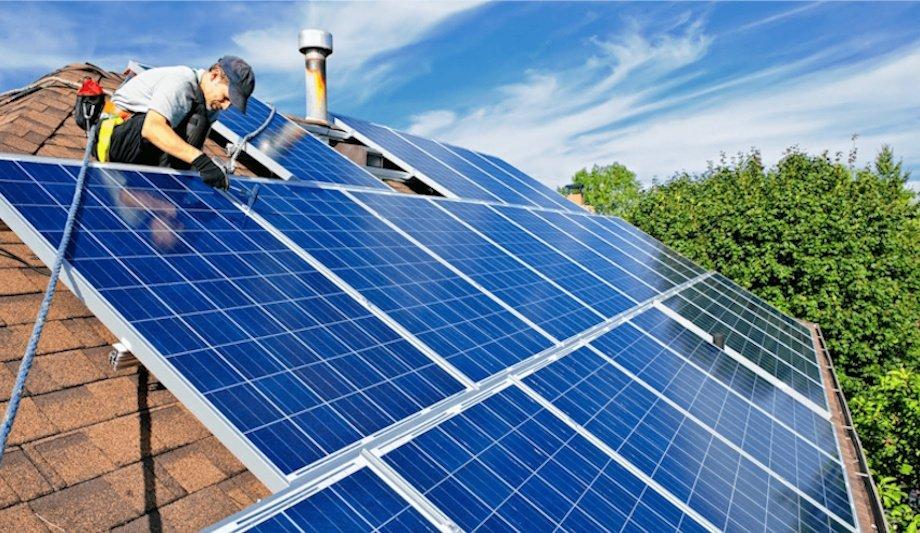
The material, orientation, and type of roof on the home will dictate the home’s solar panel configuration. For example, a metal roof may require a different installation plan than a shingled one, while a roof with a steep slope could necessitate different panels than a flatter surface.
The amount of sun exposure the roof receives during the day will also affect the types of solar panels they need to have, as well as the number of total panels their home will require to maximize exposure within the areas of the roof that receives the most sunlight during the day.
3. The Type of Solar Mount
Alternative mounts are typically on the ground and include pole mounts, ballasted footings
A large number of home solar systems go on the rooftop, but in some cases, other mount types are necessary. Alternative mounts are typically on the ground and include pole mounts, ballasted footings, or mechanical foundations.
Solar systems may also go on other structures if the sun exposure in that location will be superior to a roof mount. When systems are on the roof, different mount components may be necessary due to roof pitch, material, or panel choice.
4. The Panel Placement
Though they may hope to have a solar system that faces the back of the house for aesthetic purposes, this may not be possible due to a lack of sun exposure.
If the home typically receives a lot of natural light in the day, the solar system can likely go in a wider variety of locations. However, if they live on a heavily shaded property, the panel placement could be limited only to certain areas.
5. The Type of Hardware
The kind of racking, or mounting hardware, to install the solar system varies from home to home. The racking that the solar installer utilizes will depend on the type of panels they select, their roof’s orientation, their local weather, the overall solar panel array on the home, and the installer's recommendation and preference.
6. Home’s Connection Possibilities
The home solar system may generate its own power, but it still needs to hook up to the regional
The home solar system may generate its own power, but it still needs to hook up to the regional utility grid.
The local utility requirements may require certain types of meters, inverters, or connections in order to comply with regulations, and these guidelines may even call for equipment upgrades depending on the area.
7. Home’s Power Demand
If the household’s monthly electrical usage is significant, they could need a more robust solar array to keep up with power demands. Homeowners with energy-efficient appliances, low-maintenance landscaping, and eco-conscious home components may only require a smaller system, while other households may need a larger configuration with a greater energy output to suit their home’s needs.
Ready to find the right solar power setup for the home? Talk with one of the professionals at Harmon Solar to get a free quote and find the best configuration for them and their family.