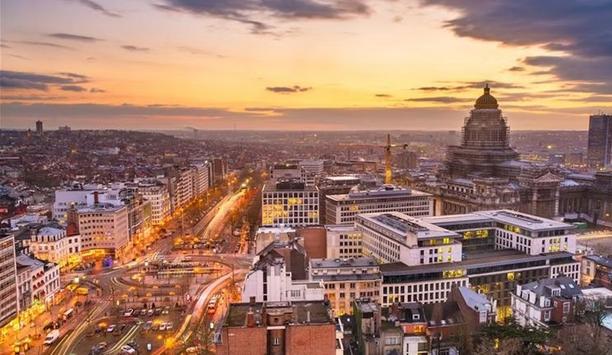
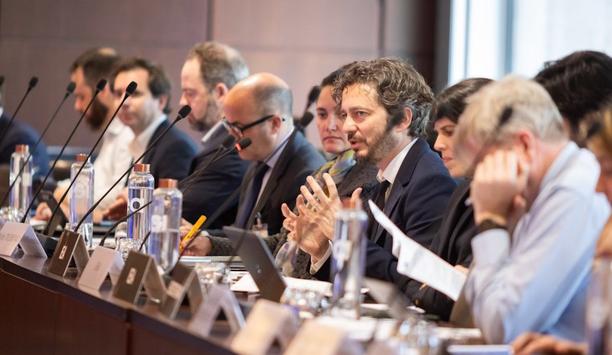
The International Energy Agency (IEA) has unveiled a comprehensive framework aimed at guiding governments in implementing equitable and inclusive energy transitions. This new guide, known as the Blueprint for Action on Just and Inclusive Energy Transitions, was introduced during a gathering of the Global Commission on People-Centered Clean Energy Transitions in Brussels.
The document is designed to aid global efforts in applying the G20 Principles for Just and Inclusive Energy Transitions into practical policies.
Leadership and Collaboration
Their joint mission is to promote energy transitions that are effective, equitable, and affordable
Co-chaired by Teresa Ribera of the European Commission and Alexandre Silveira de Oliveira, Brazil’s Minister of Mines and Energy, the Commission unites influencers from various sectors including government, international bodies, labor organizations, Indigenous groups, and civil society.
Their joint mission is to promote energy transitions that are effective, equitable, and affordable.
Key Actions and Learnings
The Blueprint, the culmination of extensive collaboration and consultation over the past year, outlines crucial actions and insights derived from more than 50 case studies. It aims to assist policymakers in integrating fairness and inclusion into the structuring of clean energy initiatives.
The guide addresses pressing issues, such as expanding access to clean technologies and fostering job creation while ensuring that those most impacted have a voice in the transition process. Its practical recommendations are tailored to help governments adapt high-level promises into tangible enhancements in public welfare.
Real-World Examples and Analysis
Drawing from experiences in both developed and developing nations, the Blueprint demonstrates how fair and inclusive transitions can simultaneously lower emissions and promote economic growth. It highlights the potential for improved social outcomes and the distribution of clean energy benefits across global communities.
Furthermore, the Blueprint is set to support the Action Agenda on Just and Inclusive Transitions during South Africa's G20 Presidency and contribute to the discussions at COP30 in Belém, Brazil.
Continued Engagement and Future Dialogs
The Global Commission and the IEA plan to maintain engagement with varied stakeholders in the approach to COP30.
This commitment includes organizing a series of high-level dialogs, regional workshops, and summits that will involve youth, labor, and civil society groups, ensuring a broad-based participatory approach in strengthening global energy policies.