According to the International Energy Agency's (IEA) latest report, Sweden 2024: Energy Policy Review, Sweden is strategically positioned to advance electrification and transform its energy-intensive industries, thanks to its sophisticated electricity system and abundant natural resources. However, this progression will lead to a substantial rise in electricity demand, challenging the current infrastructure to adapt and meet future needs.
New Clean Electricity Generation
Despite Sweden's potential, there are ongoing uncertainties regarding key aspects of its electricity system. Challenges include managing industrial power demand in the northern regions, developing offshore wind in the south, the future of nuclear power, and delays in transmission line permits. Overcoming these obstacles will require removing existing barriers to clean electricity generation and engaging in more comprehensive, system-level planning to accommodate an anticipated doubling of electricity demand by 2045.
Future Energy System
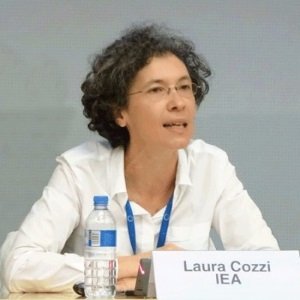
The IEA report, introduced today in Stockholm by Laura Cozzi, the IEA’s Director of Sustainability, Technology, and Outlooks, alongside Sweden's State Secretary to the Minister for Energy and Enterprise, Daniel Liljeberg, highlights Sweden's industry focus on low-emissions hydrogen. This shift aims to foster ‘green steel’ production as a decarbonization strategy. However, to fully exploit hydrogen's potential, the report suggests that a detailed strategy is needed to outline hydrogen's role and establish clear responsibilities in the developing energy system.
Progress on Electric Vehicle Penetration
The transportation sector in Sweden continues to struggle with meeting emissions targets, as noted in the report. Although significant advances have been made in electric vehicle adoption due to government incentives, recent reductions in these incentives and adjustments to biofuel quotas, which had previously helped reduce oil reliance and emissions, pose challenges. Consequently, Sweden must evaluate if current transport policies are sufficient to maintain alignment with both domestic and EU climate targets.
Additional Demand for Electricity
Sweden's cold climate and substantial energy-intensive industries result in high energy consumption levels compared to other IEA countries. The building sector, in particular, could greatly improve through enhanced energy efficiency measures. Considering the transition to increased electricity demand, energy efficiency becomes even more critical in managing resources effectively.
Clean Energy Technologies and Low-Emissions
Overall, the IEA report insists on a thorough review of Sweden's energy policies, ensuring alignment with the aggressive decarbonization goals set by climate commitments. Sweden stands at the forefront of clean energy technology and low-emissions industry potential, with the choices made today determining its long-term success in seizing these opportunities.
Reviews of Energy and Climate-related Policies
The IEA regularly reviews member countries' energy and climate policies, offering recommendations and fostering global best practice exchanges. The June 2024 review affirmed Sweden's promising position to achieve its climate goals. With its low-emissions electricity framework and rich natural resources, Sweden is well-equipped to lead its energy transition while maintaining economic competitiveness.
Sweden’s advanced electricity system, natural resources and geology mean the country is well placed to accelerate electrification and transform energy-intensive industries by drawing heavily on low-emissions electricity, according to the IEA’s new Sweden 2024: Energy Policy Review.
However, advancing electrification will come with a sizeable increase in new electricity demand that the current system will need to accommodate.
New clean electricity generation
Uncertainties across the electricity system in Sweden persist, including the scale of industrial power
Uncertainties across the electricity system in Sweden persist, including the scale of industrial power demand in the north, offshore wind development in the south, the outlook for new nuclear power plants, and permitting delays for transmission lines.
In addition to removing barriers to new clean electricity generation, Sweden will need to undertake more coordinated system-level planning to prepare for a potential doubling of electricity demand by 2045.
Future energy system
IEA’s Director of Sustainability, Technology and Outlooks, Laura Cozzi, is launching the report in Stockholm alongside Daniel Liljeberg, Sweden’s State Secretary to the Minister for Energy and Enterprise, Ebba Busch.
Leveraging access to fossil-free electricity, Sweden’s industrial sector is focused on low-emissions hydrogen as a key decarbonization pathway to produce ‘green steel’.
While encouraging, the IEA report notes that the sector would benefit from a hydrogen strategy that clarifies the potential role for hydrogen in the future energy system and that maps the roles and responsibilities for system development.
Progress on electric vehicle penetration
Transport remains a tough sector for Sweden to meet its emissions targets, according to the IEA report
Transport remains a challenging sector for Sweden to meet its emissions targets, according to the IEA report. The country has made notable progress on electric vehicle penetration in recent years, supported by government incentives.
However, incentives have been lowered recently as has an ambitious biofuels quota, which had successfully displaced oil and associated emissions in road transport.
Therefore, Sweden will need to assess whether its current policy settings in the transport sector can effectively accelerate emissions reductions to keep on track with domestic and EU targets.
Additional demand for electricity
With a typically cold climate and a sizeable energy-intensive industry sector, Sweden’s energy intensity is relatively high compared to other IEA countries.
The buildings sector, in particular, would benefit from additional measures to support energy efficiency. Considering the additional demand for electricity that the energy transition will bring, electricity savings achieved through energy efficiency can play a critical role in optimizing resources.
Clean energy technologies and low-emissions
Overall, the IEA report concludes that Sweden will need to assess its energy system and its policy
Overall, the IEA report concludes that Sweden will need to assess the energy system and its policy levers holistically to ensure that they are aligned with the accelerated decarbonization outcomes that climate targets require.
Sweden’s opportunities to become a pioneer in clean energy technologies and low-emissions industry are considerable, and actions taken in the short-term will inform its long-term ability to capitalize on this opportunity.
Reviews of the energy and climate-related policies
The IEA regularly conducts reviews of the energy and climate-related policies of its member countries and provides recommendations – a process that supports energy policy development and encourages the exchange of international best practices and experiences.
The latest review of Sweden took place in June 2024, and it finds that Sweden is in a promising position to realize its climate ambitions. The country already has a low-emissions electricity system and a generous endowment of natural resources ensuring that it is well positioned to advance its energy transition and maintain a competitive edge as an export-oriented economy.