Railways are relied upon as a means for transporting passengers and goods across short, medium, and long distances. In modern railway systems, electricity is a convenient source to power an efficient mass transportation system.
An important part of this electrical system is the traction power substations whose function is to convert the incoming commercial electrical supply to a form usable by the motive power on the train.
traction power systems
The electrical energy from the traction power substation is then delivered to the train via an overhead catenary line or an energized third rail. This paper discusses how a traction power feasibility study will ensure that a railway electrification system will work as intended during all plausible operating conditions.
The topics presented include the general overview of traction power systems, the complexities associated with re-designing or modernizing a traction power system, and how a feasibility study might avoid some of the common pitfalls.
Rapid transit systems
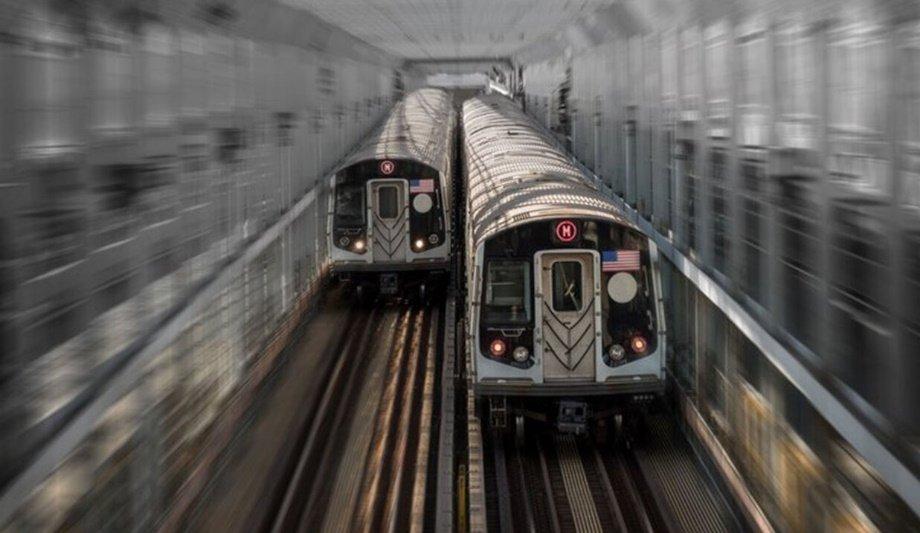
Rapid transit systems consist of metro and subways which are higher-capacity systems
Railway electrification systems are typically classified into three main categories: light rail, rapid transit, and commuter rail. Light rail systems are most frequently used in transit applications, such as trams, streetcars, passenger movers, and monorail systems.
Rapid transit systems consist of metro and subways which are higher capacity systems. Commuter rail systems consist of intercity passenger or freight/cargo transport systems that travel at higher speeds and cover longer distances.
Railway systems operate on either AC power or DC power based on the type of application. A light rail system is most often supplied by an AC or DC overhead catenary line, while rapid transit systems are often supplied via a DC energized third rail; and commuter rail systems operate via an AC overhead catenary line.
Modern analytical tools
An effective design of a traction power delivery system will ensure that a transit system will operate reliably and efficiently. Traction power systems and the design processes associated with them can be complex. The uncertainties associated with such complexity can be mitigated with a feasibility study using modern analytical tools.
However, the tools alone will not suffice. A knowledgeable team equipped with an ample and reliable database of electrical parameters, and a familiarity with manufacturing practices can provide the answers to operating and performance questions before contract documents are prepared.