The global energy landscape is evolving at an unprecedented pace. With the increased adoption of renewable energy sources and the drive for a more sustainable future, the demand for efficient energy storage has never been greater.
Enter Battery Energy Storage Systems (BESS), the backbone of modern energy infrastructure, ensuring stability, resilience, and efficiency in power distribution.
Stable power distribution
In 2024, the US battery storage market saw record-breaking growth, with nearly 9.2 gigawatts (GW) of new capacity installed in late November alone, according to figures from S&P Global. But how is this supercharged leap into more stable power distribution fairing on a fundamental level?
Despite an estimated capacity increase in the United States of a staggering 89% in 2024, according to U.S. Energy Information Administration (EIA), there is still more to be done to ensure this rapid rollout of these mainly Lithium-ion battery systems don’t pose a threat to workers, communities and the energy infrastructure.
Importance of battery energy storage systems
BESS helps to bridge the gap by storing excess energy when supply is high and distributing it when demand peaks
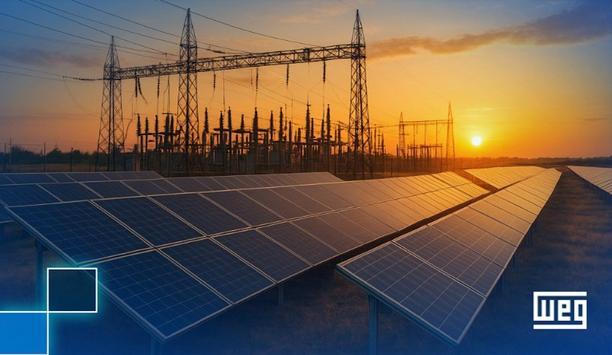
BESS plays a critical role in balancing power supply and demand, especially as more countries transition to renewable energy sources like solar and wind. Typically, renewable energy sources are inherently intermittent meaning they don’t produce electricity consistently throughout the day, due to a variety of uncontrollable environmental factors. BESS helps to bridge the gap by storing excess energy when supply is high and distributing it when demand peaks.
While the idea of shoring up the energy infrastructure to greater withstand periods of intense strain is a laudable (and indeed, logical) one, they must ensure that in the haste to erect new BESS sites, they don’t overlook vital safety concerns.
Fast-charging infrastructure
In addition to grid stabilization, BESS is instrumental in enhancing energy reliability. By storing surplus electricity, BESS ensures that power remains available even during blackouts or grid failures.
It’s also an important element of reducing carbon emissions, as with stored renewable energy, reliance on fossil fuel-powered plants decreases, leading to a more sustainable energy mix. Let’s not forget how BESS underpins growing support for the electrification of transportation. As electric vehicles (EVs) gain traction, BESS can facilitate fast-charging infrastructure without overloading the grid.
The growing stature of BESS installations
Dangerous chain reaction in which rising temperatures spread from one battery cell to another
In February 2025 alone, renewable energy producers added 10.5 GWh capacity to the global energy network, according to market intelligence firm Rho Motion’s Battery Energy Stationary Storage Monthly Database. But while BESS sites are a useful way to prevent overloading the world’s power supplies releasing stored energy at peak times when power generators come under greater strain they come with challenges.
One of the greatest concerns is thermal runaway, a dangerous chain reaction in which rising temperatures spread from one battery cell to another. Without proper monitoring and early detection of potential failures, thermal runaway incidents can easily snowball into devastating fires.
Advanced thermal imaging solutions
These fires spread rapidly, passing from unit to unit, causing sizable financial losses, environmental damage, and, of course, safety hazards including releasing toxic substances such as hydrogen fluoride gas.
That’s why advanced thermal imaging solutions are becoming essential to keep BESS sites safe and operational. Fixed thermal cameras with advanced analytics are the go-to solution, as they can trigger alarms and suppression systems when temperatures pass a set threshold.